

Germany’s federal government has spent approximately €5.8 million on furniture, furnishings and decorations since the current legislative term began in May 2025, prompting criticism from the German Taxpayers’ Association over its approach to public spending.
The figures were disclosed in a government response to a parliamentary question submitted by the Alternative for Germany (AfD) group in the Bundestag. They cover expenditure by all 16 federal ministries, including purchases of desks, chairs, lamps, carpets, curtains, paintings, sculptures and ornamental plants.
Reiner Holznagel, president of the German Taxpayers’ Association, criticised what he described as a gap between the government’s calls for financial restraint among citizens and its own spending on official facilities.
“There is supposedly no room to relieve the burden on citizens, but when it comes to their own government apparatus, the belt is pretty loose, for decor and the like,” Holznagel told the German newspaper Neue Osnabrücker Zeitung.
Foreign Office and Defence among biggest spenders
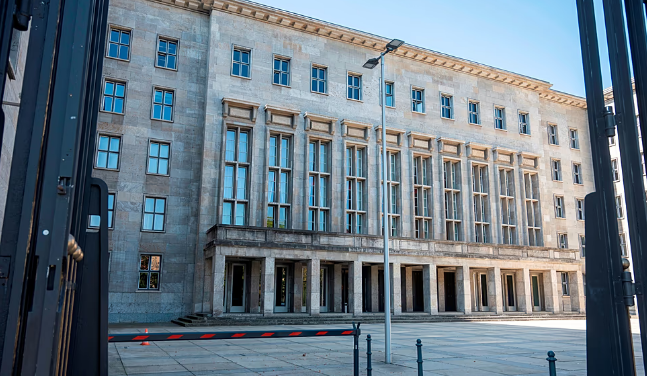
The Foreign Office recorded the highest overall expenditure, spending €840,062 on furniture, lighting, carpets and decorations since May 2025.
Its spending on lamps, carpets and curtains alone reached approximately €256,000 in 2026.
The Defence Ministry ranked second, with expenditure of around €813,000 over the same period. The Finance Ministry, led by Lars Klingbeil of the Social Democratic Party (SPD), also spent more than €500,000 on furniture, equipment and decorative items.
A breakdown of decoration costs placed the Finance Ministry at the top of the list. It spent €45,077 on decorations since the beginning of the legislative term, accounting for more than a quarter of total federal government expenditure in that category.
The department also recorded significant costs for refurbishing offices used by senior officials. In 2026 alone, €47,737 had been spent on refitting these offices, according to the figures.
Calls for greater financial discipline
The Taxpayers’ Association said the figures raised questions about the government’s priorities at a time when public finances remain under pressure.
Holznagel argued that ministries should follow the same principles of restraint they expect citizens to observe when public authorities call for savings.
He also pointed to the Bundestag’s budget committee, saying it had a responsibility to scrutinise government expenditure and ensure that announced savings measures were applied across public institutions.
The disclosure is likely to intensify debate over how federal departments use taxpayers’ money, particularly as the government faces pressure to control spending while maintaining public services.
The figures have drawn attention to purchases that critics say could be reconsidered as part of wider efforts to improve financial discipline within government departments.