European leaders on Friday urged stronger coordination between the European Commission, EU member states, and relevant agencies to tackle a fast-expanding illicit drugs market estimated to be worth €31 billion, warning that organised crime networks are increasingly operating across borders and exploiting gaps in enforcement.
The issue was discussed at the level of EU heads of state for the first time, reflecting growing concern over the scale and complexity of drug trafficking across the continent. Officials said the booming market is being driven by the rising availability of new psychoactive substances, evolving smuggling routes, and the use of encrypted communication platforms and online marketplaces that make detection more difficult.
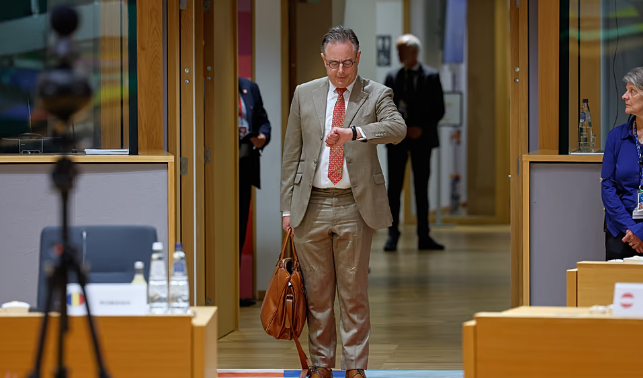
Speaking after the meeting in Brussels, Belgian Prime Minister Bart De Wever said Europe’s major port hubs have become key entry points for illegal shipments, underscoring the cross-border nature of the threat.
“As the home of one of the biggest ports in Europe, my country has gained a simple but central knowledge: organised crime knows no boundaries,” De Wever told reporters. “Therefore, our answer to this threat must not end at the borders.”
EU leaders stressed that tackling the drug trade requires a coordinated, wide-ranging response that goes beyond law enforcement alone. According to the conclusions adopted at the summit, member states must adopt a “whole-of-government and whole-of-society approach” based on evidence, involving action at local, regional, national, European and international levels.
The statement called for improved preparedness, stronger public health protections, enhanced security measures, and expanded efforts to reduce drug-related harm. Leaders also emphasised the importance of deepening cooperation between EU countries and international partners, including initiatives such as the European Coalition Against Drugs and increased collaboration with third countries.
The conclusions further highlighted the need for stronger law enforcement coordination to disrupt trafficking networks and address the growing sophistication of criminal operations. Officials noted that criminal groups are increasingly relying on fragmented supply chains and digital tools, making traditional policing methods less effective without greater cross-border intelligence sharing.
Earlier this month, EU home affairs ministers agreed on implementation steps for the bloc’s drugs strategy covering the period from 2026 to 2030, setting the framework for future policy coordination.
The latest summit marks a shift in approach, with European leaders signalling that the drugs trade is no longer just a criminal justice issue, but also a public health, security, and governance challenge requiring sustained cooperation across the bloc.