Qatar’s Interior Ministry says search and rescue teams are continuing efforts to locate close to two dozen people still missing after a major explosion struck the country’s main energy infrastructure, raising fresh concerns over regional energy stability.
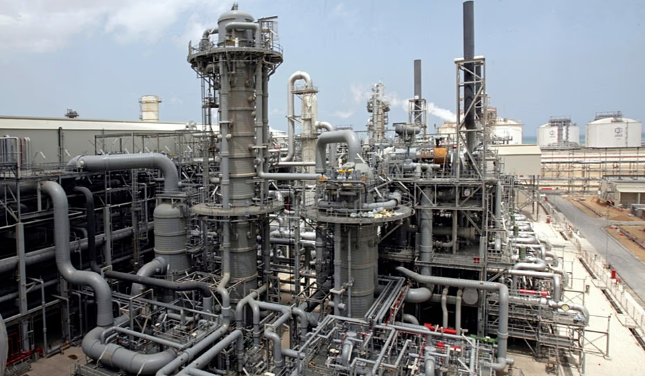
The blast occurred on Sunday night at the Barzan gas supply facility in the Ras Laffan industrial area, a critical hub for Qatar’s natural gas exports. According to state-run QatarEnergy, the incident happened as workers were attempting to resume operations at the site following earlier disruptions linked to the wider regional conflict.
Authorities said at least 54 people were injured in the explosion and subsequent fire, while 18 others remain unaccounted for. Initial reports had suggested only minor injuries, but casualty figures were revised upward as emergency teams assessed the extent of the damage.
The Interior Ministry said rescue operations are ongoing and all available resources have been deployed to locate those missing. Officials have not yet confirmed the cause of the explosion, though QatarEnergy described it as occurring during operational restart procedures at the facility.
The Barzan plant plays a significant role in Qatar’s domestic energy supply, with a production capacity of nearly 1.4 billion standard cubic feet of gas per day. The output is primarily used to support electricity generation and desalination plants, which are essential for water supply across the arid Gulf state. QatarEnergy holds the majority stake in the project, with ExxonMobil also owning a minority share.
The explosion comes at a sensitive moment for Qatar’s energy sector. The country, one of the world’s largest exporters of liquefied natural gas, had recently paused parts of its production due to instability in the Strait of Hormuz, a key shipping route for global energy supplies. Shipping disruptions had limited exports, prompting gradual efforts to restart operations as tensions showed signs of easing.
Qatar has already experienced direct damage to its energy infrastructure during the regional conflict. In March, an Iranian missile reportedly struck facilities in Ras Laffan, causing significant damage and forcing partial shutdowns. While production had been halted at affected sites, the latest incident raises further concerns over the safety of restarting operations in a volatile environment.
Qatar shares the North Field gas reservoir with Iran, making energy infrastructure in the region strategically significant for both countries. The wealth generated from its gas exports has allowed Qatar to expand its global influence, invest heavily abroad, and position itself as a diplomatic mediator in international conflicts.
As investigations continue, the explosion is expected to heighten scrutiny over energy security in the Gulf, particularly at a time when global gas markets remain sensitive to supply disruptions.