

The Mediterranean remains one of Europe’s most popular tourism regions, but a new report suggests travellers are increasingly seeking meaningful experiences and stronger connections with local cultures rather than traditional beach-focused holidays.
The findings come from the MGallery Trends 2026: The Mediterranean Briefing, produced by MGallery Hotel Collection in partnership with travel forecasting agency Globetrender. The report highlights changing travel habits across the region as visitors look beyond sun, sea and resort stays.
According to the study, holidaymakers are becoming more selective about how they experience Mediterranean destinations. While coastal attractions and warm weather continue to play a major role in travel decisions, many tourists now want to engage more closely with local traditions, history and communities.
Jenny Southan, founder and chief executive of Globetrender, said the Mediterranean is experiencing a period of change as tourism demand reaches record levels while visitor expectations evolve.
She noted that travellers are showing a growing preference for destinations that feel more authentic, slower-paced and less affected by mass tourism. This trend is encouraging the travel industry to rethink how it delivers experiences in one of the world’s most established tourism markets.
The report points out that the Mediterranean includes 22 coastal countries and territories, each offering distinct cultures and traditions. Rather than viewing the region as a single tourism destination, travellers are increasingly interested in exploring the unique characteristics of individual countries and communities.
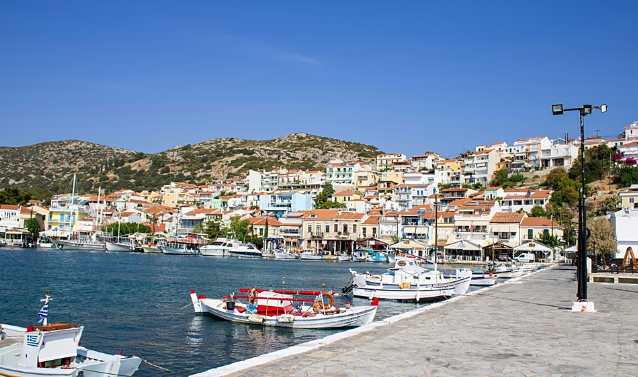
Examples include discovering Albania’s traditional iso-polyphonic singing or learning about historic shipbuilding practices on the Greek island of Samos. Such activities are becoming more attractive to visitors seeking cultural enrichment during their holidays.
Another trend identified in the report is the rise of so-called “blue mind experiences,” inspired by the concept popularised by marine biologist Wallace J. Nichols. The term refers to the calming psychological effect people experience when spending time near water.
With stress and burnout becoming growing concerns for many people, travellers are increasingly seeking experiences centred on the sea. These include private boat excursions, waterfront wellness retreats and hotels designed to maximise guests’ connection with coastal environments.
The report also highlights the growing popularity of repeat visits to familiar destinations. However, travellers returning to the same locations are now using their knowledge of the area to explore lesser-known attractions.
Dubbed “The Comeback Effect,” the trend sees repeat visitors venturing beyond popular tourist hotspots to discover neighbourhood restaurants, secluded beaches and local businesses frequented by residents.
Researchers said familiarity is no longer leading to routine travel behaviour. Instead, returning visitors are seeking deeper insights into destinations they already know, helping shape a new phase of Mediterranean tourism focused on authenticity, culture and personal connection.