


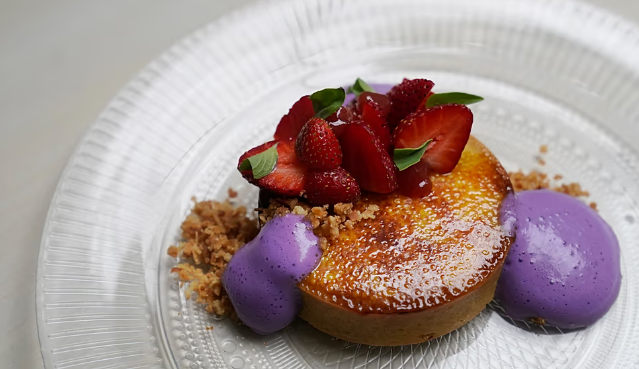
The vibrant purple colour of ube is making its way into cafés, bakeries and dessert shops around the world, with the Filipino yam emerging as one of the latest food trends after the global popularity of matcha. From lattes and cakes to ice cream and pastries, the naturally coloured ingredient is attracting consumers with its striking appearance and mild, sweet flavour.
Ube, pronounced “oo-beh,” is a purple yam traditionally grown in the Philippines, where it has long been a staple food. Although it closely resembles purple sweet potatoes, it belongs to the yam family and is botanically different. The tuber is commonly sold as puree, powder, paste or syrup in international markets and has become increasingly popular in cafés and specialty bakeries.
Food experts describe ube as having a smooth, slightly nutty flavour with hints of vanilla and pistachio, along with a natural sweetness similar to cooked sweet potatoes or carrots. Unlike matcha, whose grassy and slightly bitter taste can divide consumers, ube’s milder flavour has helped it appeal to a broader audience.
Its growing popularity has been particularly noticeable in beverages. Coffee chains and independent cafés have introduced ube lattes and iced drinks, while pastry chefs are using the ingredient in cheesecakes, macarons, chiffon cakes and ice cream. Its vibrant purple colour offers an eye-catching presentation without relying on artificial food colouring, making it especially popular on social media.
Nutrition experts also point to several health benefits associated with ube. The purple pigment comes from anthocyanins, plant compounds known for their antioxidant properties. Research has suggested these compounds may have anti-inflammatory, antibacterial and antiviral effects, while laboratory studies have also examined their potential role in supporting liver health and gut bacteria. Ube also provides vitamins A, C and E, dietary fibre, potassium and copper.
Despite these nutritional qualities, experts caution against exaggerated health claims. While yams contain diosgenin, a naturally occurring plant compound linked to progesterone production in laboratories, the human body cannot convert dietary diosgenin into the hormone.
Availability remains limited in many European countries. Most consumers purchase ube products through Asian supermarkets, although a small number of retailers have begun offering ready-made drinks and desserts featuring the ingredient.
As demand continues to rise, agricultural experts have expressed concern about the consequences of rapid food trends. They warn that sudden increases in global demand can disrupt traditional farming systems in the Philippines and encourage large-scale cultivation in other tropical regions. Since ube must be transported over long distances to overseas markets, specialists also note that its growing popularity carries environmental costs through increased carbon emissions associated with international shipping.