
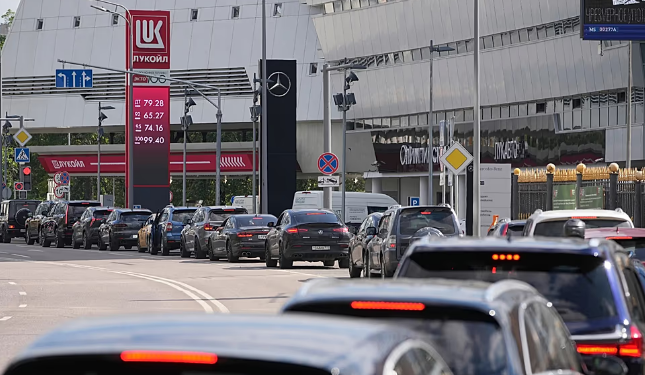
The US Treasury Department has extended a sanctions waiver allowing Russian oil giant Lukoil to continue operating its branded petrol stations outside Russia until April 24, 2027.
The licence, issued on Thursday, replaces an earlier authorisation due to expire later this month. It allows Lukoil service stations in countries including the United States to continue serving customers despite US sanctions against the Russian company.
However, the extended waiver retains restrictions on the transfer of funds to any person or account located in Russia. The measure therefore permits certain business activities to continue without allowing money to be transferred back into the country.
In a separate decision on Thursday, the Treasury Department also authorised certain transactions involving Lukoil’s Bulgarian entities through April 24, 2027.
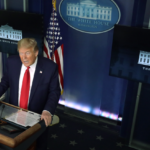
The extensions come as Washington adjusts some restrictions affecting Russian energy supplies amid continued pressure on global fuel markets. The latest decision follows a temporary licence issued last week after US President Donald Trump announced an agreement with Russia involving diesel deliveries to the United States and international markets.
Trump said on social media that Russia would immediately release 300,000 tonnes of diesel, followed by another 500,000 tonnes in November and a further one million tonnes at a later stage. The Treasury subsequently issued a temporary authorisation intended to facilitate the deliveries.
The proposed arrangement has drawn criticism from European Union foreign ministers, who argue that the agreement between Trump and Russian President Vladimir Putin risks weakening transatlantic unity.
Their objections come as Russia continues its war against Ukraine and Western governments maintain sanctions intended to restrict Moscow’s economic and financial resources.
The United States and its European allies have imposed extensive measures against Russian companies and individuals since Russia launched its full-scale invasion of Ukraine in February 2022. Energy-related restrictions have remained a central part of efforts to limit Russian revenues, although some activities have been covered by specific licences or exemptions.
Meanwhile, global energy markets continue to face pressure from the conflict in the Middle East, which entered its eighth month following US and Israeli attacks on Iran in late February.
Iran’s retaliation included restrictions on shipping through the Strait of Hormuz, a strategic waterway used to transport a significant share of the world’s oil. Disruptions to the route have contributed to higher energy costs and increased concerns over the security of international fuel supplies.
The extension of the Lukoil waivers allows certain operations to continue for another six months while maintaining restrictions on transferring funds to Russia. The decision reflects the balance Washington faces between enforcing sanctions and allowing selected energy-related activities to proceed amid volatile market conditions.