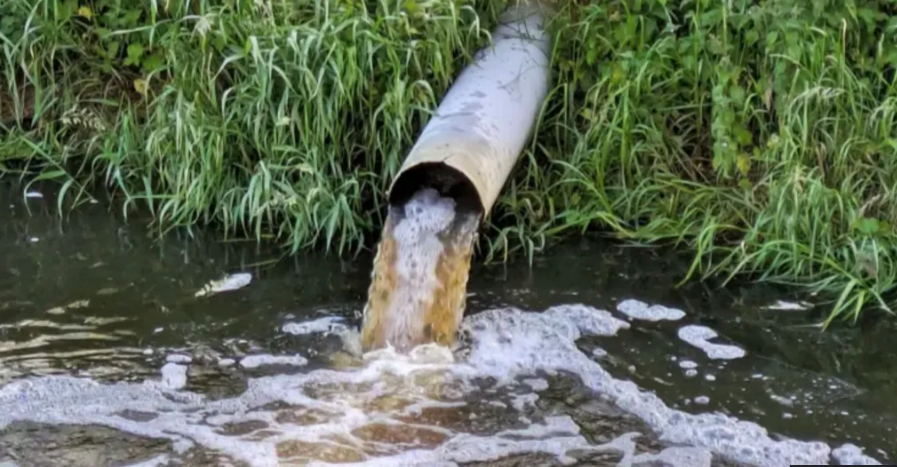
The UK government has pledged to launch a sweeping overhaul of the water sector, promising to halve the number of sewage discharges into rivers, lakes and coastal waters in England and Wales by 2030. Environment Secretary Steve Reed unveiled the plans on Sunday, describing the water industry as “broken” and regulators like Ofwat as “clearly failing.”
The reforms — billed as a “water revolution” — aim to restore public confidence amid growing outrage over the state of the nation’s waterways. Reed said families across the country had witnessed a “record level of pollution” in local rivers and coastal areas, calling for urgent regulatory changes and tougher consequences for water company executives.
The proposed reset of the system could include prison sentences for bosses of firms failing to meet environmental standards. However, Reed stopped short of confirming whether Ofwat would be scrapped altogether — a potential recommendation expected in a major review of the water industry to be published Monday.
Reed ruled out renationalising the water industry, calling it an unfeasible solution that would cost more than £100 billion. “That’s money we would have to take away from the NHS and schools just to give to the companies polluting our water,” he told the BBC’s Sunday with Laura Kuenssberg.
The government’s plan marks the first time ministers have set a measurable target to reduce pollution spills. It includes collaboration with devolved governments to ban plastic-containing wet wipes, among other measures.
The announcement comes as scrutiny of the sector intensifies. In 2024, there were 2,801 pollution incidents reported by water companies, up from 2,174 in 2023, according to the Environment Agency. Seventy-five of these caused serious or persistent harm to public health and the environment. Meanwhile, water company executives received £7.6 million in bonuses, despite failing to meet environmental standards.
The CEO of Southern Water, in particular, was criticised after a proposed pay rise nearly doubled his salary. Reed called the bonus “outrageous” and urged him to reconsider.
A record £104 billion is expected to be invested into the water sector over the next five years, aimed at improving ageing infrastructure. However, household water bills are also set to rise, with average increases of £123 a year — and up to £224 for Southern Water customers.
The government has allocated £189 million to the Environment Agency for enforcement efforts, including hiring hundreds of officers to inspect and prosecute violations.
The Water Commission, led by Sir Jon Cunliffe, will publish its recommendations on Monday, with the government set to respond in Parliament.
Critics, including the Liberal Democrats and Reform UK, have called for more radical reforms, including replacing private firms with public-benefit corporations or partial nationalisation. Conservative opposition spokesperson Victoria Atkins urged transparency over the source of the £104 billion investment and warned against shifting too much financial burden onto consumers.
Reed promised to be personally accountable for improving water quality, stating: “Our job should be on the line if we don’t deliver.”