

The UK government has raised the maximum price it is willing to guarantee for electricity generated by new wind farms, in a move aimed at reinvigorating investment in renewables and keeping on track to deliver a fossil fuel-free electricity grid by 2030.
The Department for Energy Security and Net Zero (DESNZ) confirmed the changes ahead of the upcoming Contracts for Difference (CfD) auction, which opens in August. The auction is one of the last major opportunities to approve projects capable of generating clean energy in time to meet the government’s 2030 target.
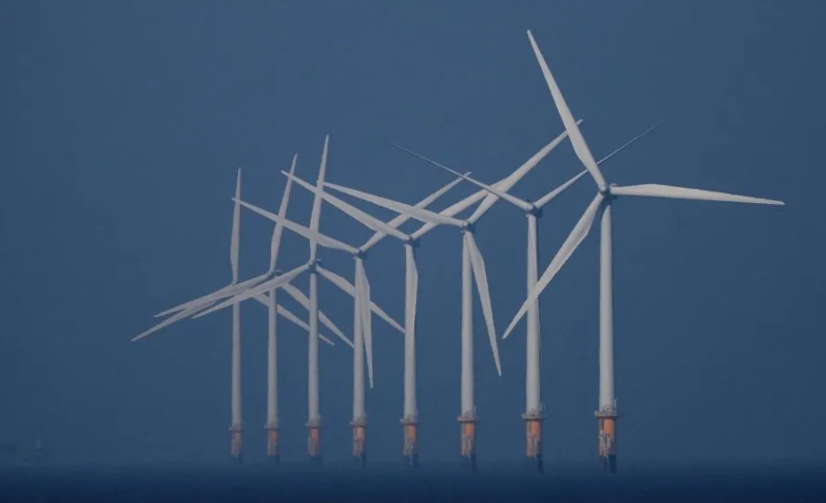
Under the new terms, the maximum Administrative Strike Price (ASP) for offshore wind projects has been increased to £113 per megawatt-hour (MWh), up from £102 last year. Floating offshore wind, a newer and costlier technology, sees its ASP rise from £245 to £271 per MWh. Onshore wind will now have a ceiling of £92/MWh (up from £89), while solar energy’s cap has been lowered from £85 to £75/MWh.
The CfD scheme guarantees energy producers a fixed price for the electricity they generate over a period — now extended from 15 to 20 years for wind and solar projects. Developers bid for contracts by offering prices below the ASP, and the auction “clears” at a final strike price determined by competition.
A spokesperson for Energy Secretary Ed Miliband said the final price will depend on bids received: “The auction will reveal the true price, just like it did last year, where the auction cleared at prices significantly lower.”
However, the revised price caps have sparked political criticism. Conservative Shadow Energy Secretary Claire Coutinho called the figures “eye-watering” and accused the government of prioritising net zero goals over affordability. “These are the highest prices in a decade, well above last year’s average electricity costs,” she said.
The government insists the changes are necessary to attract investment after the previous auction failed to secure any offshore wind bids. Developers had said the offered prices were too low to be commercially viable. In response, ministers have also introduced new flexibility, allowing applications from projects still awaiting planning permission and extending contract lengths.
DESNZ defended the move as essential to attracting bids and ensuring competition. “These reforms will enable a competitive auction that secures the best possible price for consumers while delivering the clean energy we need to get off the fossil fuel rollercoaster,” a department spokesperson said.
Industry experts believe the final clearing prices will be significantly lower than the ASP, depending on market interest. “The ASP simply sets a ceiling,” said Johnny Gowdy of net zero advisory group Regen. “The real question is what the developers are willing to accept — and that we’ll see in the auction results.”
With time running short to meet its clean power pledges, the government is betting that more attractive terms will unlock stalled investment and put the UK back on track to a greener, cheaper energy future.