
Almost 12,000 home energy upgrades were completed in the first three months of this year under Government-funded grant schemes, according to new data from the Sustainable Energy Authority of Ireland (SEAI). The figure represents a 2% increase compared with the same period in 2024, reflecting steady demand for energy efficiency improvements across the country.
The SEAI’s latest report shows that Government spending on these schemes totalled €76 million between January and March, marking a 4% year-on-year rise. The funding supports a range of measures, from insulation and heating system improvements to renewable energy installations, aimed at cutting energy bills and reducing carbon emissions.
Of the upgrades carried out, 1,359 were in homes classified as “energy-poor” — households that benefit from fully funded improvements to enhance comfort and reduce heating costs. These upgrades are part of a broader effort to tackle energy poverty and ensure vulnerable households are not left behind in the transition to cleaner energy.
The report also highlights that over 5,100 homes achieved a Building Energy Rating (BER) of B2 or higher during the first quarter. While this marks a slight 1% decline from last year, it remains a key target for Ireland’s climate action plan, as higher BER ratings are associated with greater energy efficiency and lower greenhouse gas emissions.
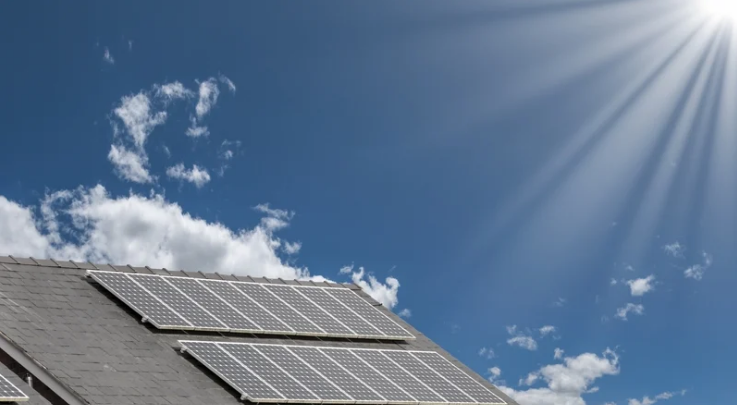
Heat pump installations, seen as a cornerstone of the move away from fossil fuel heating, totalled 765 in the quarter. These systems are designed to provide efficient heating and cooling using renewable energy sources, and their uptake is expected to grow in the coming years as technology costs fall and public awareness increases.
Despite the increase in completed upgrades, the number of applications processed by the SEAI dropped by 5% compared with the same period in 2024, with just under 15,000 applications handled between January and March. This dip could reflect seasonal factors, application processing times, or homeowners delaying projects in anticipation of new policy measures or supports.
The SEAI continues to promote its range of grant schemes, which include options for individual measures such as attic or wall insulation, as well as “one-stop shop” services offering a full suite of upgrades. With Ireland committed to retrofitting 500,000 homes to a B2 rating or higher by 2030, the pace of upgrades will be critical in meeting national climate and energy efficiency goals.
Officials say that while the first quarter’s figures show progress, sustained investment and public participation will be essential to reach long-term targets. The next quarterly update is expected to provide further insights into application trends and the overall momentum of the retrofit programme.