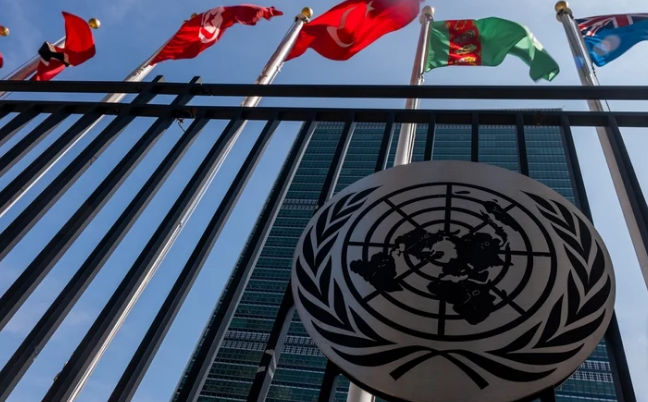
France is preparing to recognise a Palestinian state as the United Nations General Assembly begins its 80th session in New York, joining a growing number of Western governments in a move that has angered Israel.
On the eve of the gathering, Britain, Canada, Australia and Portugal formally recognised Palestinian statehood, increasing diplomatic pressure on Israel as it intensifies its war in Gaza. The conflict has killed tens of thousands, displaced the majority of the enclave’s population, and drawn criticism from even Israel’s closest allies.
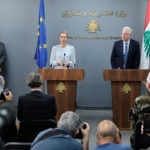
French President Emmanuel Macron is expected to confirm his country’s recognition today during a meeting with Saudi Crown Prince Mohammed bin Salman and other world leaders. Macron argued that recognition would help isolate Hamas while responding to the Palestinian people’s demands for nationhood. “They want a nation, they want a state, and we should not push them towards Hamas,” he said in a U.S. television interview.
Not all European powers share this approach. Italy has cautioned that unilateral recognition could be “counterproductive,” while Germany said it might undermine a negotiated two-state solution.
More than 140 world leaders are attending the week-long UN summit, with the Palestinian question set to dominate speeches and debates. However, Israel and the United States have confirmed they will boycott the event, with Israel’s UN ambassador Danny Danon dismissing it as a “circus.”
Palestinian President Mahmoud Abbas, denied a U.S. visa to travel, will address the assembly by video link after member states voted overwhelmingly to allow his participation. Washington has long rejected Abbas’s Palestinian Authority as a partner in peace negotiations.
Diplomats warn that Israeli reprisals could follow the wave of recognition. Prime Minister Benjamin Netanyahu has reiterated his opposition to a Palestinian state, vowing instead to accelerate settlement expansion. His far-right ministers Itamar Ben-Gvir and Bezalel Smotrich have gone further, calling for the annexation of the West Bank.
Annexation, however, risks alienating regional partners such as the United Arab Emirates, which normalised ties with Israel under the 2020 Abraham Accords. Emirati officials have warned that annexation would violate the spirit of the deal and undermine regional stability.
UN Secretary-General António Guterres urged countries not to be deterred by Israeli threats, warning that inaction would only embolden further settlement activity and violence.
The humanitarian toll in Gaza remains dire. According to local health authorities, more than 65,000 Palestinians have been killed since Israel’s military campaign began in October 2023, figures the UN considers credible. Around 90% of the territory’s two million people have been displaced, while a UN-backed monitor has declared a famine is under way, describing it as entirely man-made.
The International Court of Justice ruled last year that Israel’s occupation and settlement policy is illegal under international law, while leading genocide scholars recently concluded that legal criteria for genocide in Gaza have been met.
With the humanitarian crisis worsening, this week’s UN summit is set to become a decisive moment for the international community to confront Israel’s war in Gaza and revive momentum for a two-state solution.