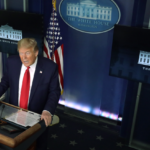


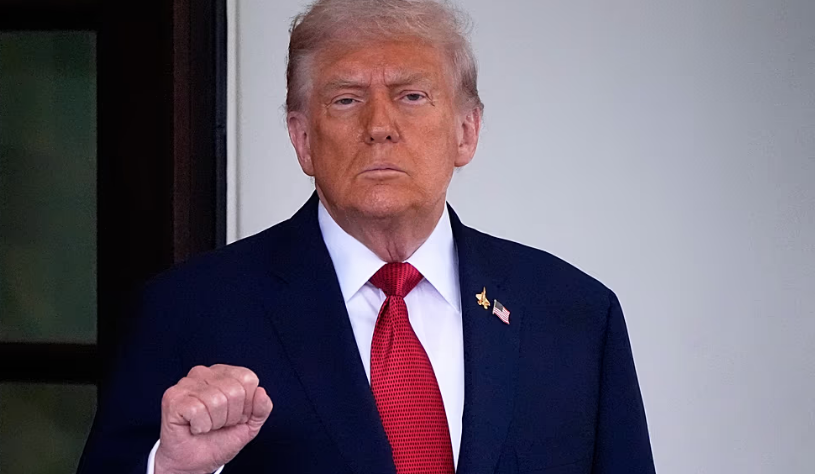
US President Donald Trump has announced a new wave of tariffs targeting pharmaceuticals, trucks, and household goods, escalating his protectionist agenda despite warnings from businesses and trade partners.
From 1 October, branded or patented drug imports will face a 100% levy unless the manufacturer operates or is building a factory in the United States. The White House will also impose a 25% tax on heavy-duty trucks and a 50% levy on kitchen and bathroom cabinets, Trump confirmed on his Truth Social platform on Thursday. A 30% tariff on upholstered furniture will take effect next week.
“The reason for this is the large scale ‘FLOODING’ of these products into the United States by other outside countries,” Trump wrote, framing the measures as a defence of American manufacturing.
Impact on Pharmaceuticals
The most contentious element is the proposed tariff on pharmaceuticals. While generic drugs are exempt, the policy has sparked concern in Europe and the UK, both key exporters of medicines to the US. The European Federation of Pharmaceutical Industries and Associations has called for “urgent discussions” to ensure patient access is not disrupted.
UK pharmaceutical exports to the US were valued at more than $6bn (£4.5bn) last year. A government spokesperson in London acknowledged industry concerns, saying ministers were “actively engaging” with Washington.
British drugmakers are likely to be shielded from the worst of the new measures. GlaxoSmithKline, which last week pledged $30bn of investment in the US, and AstraZeneca, which plans to spend $50bn by 2030, both already operate American factories. William Bain of the British Chambers of Commerce said these commitments should protect UK firms from higher duties.
Domestic Politics and Trade Tensions
Trump’s move is the latest in a series of tariffs rolled out since August against more than 90 countries, covering metals, vehicles, and industrial goods. The president argues the policies are essential to protect jobs and counter what he calls “unfair competition.”
But critics say the tariffs risk raising prices for American consumers and industries. The US Chamber of Commerce has warned that many parts for trucks, in particular, are imported from Mexico, Canada, Germany, and Japan, making it “impractical” to source them domestically. Trade analyst Deborah Elms of the Hinrich Foundation said the new levies were “terrible for consumers” and would drive up costs across sectors.
Furniture makers also voiced concern. Swedish giant Ikea said the tariffs would make doing business in the US “more difficult” and pledged to monitor the situation.
A High-Stakes Gamble
Analysts suggest Trump’s latest tariffs may also serve as a fallback revenue strategy as his broader global duties face legal challenges. Neil Shearing, chief economist at Capital Economics, noted the pharmaceutical tariffs may be less disruptive than they appear, given existing exemptions and the number of companies already producing in the US.
Still, the measures have reignited tensions with trade partners and deepened uncertainty for industries reliant on cross-border supply chains, setting the stage for further disputes in the months ahead.