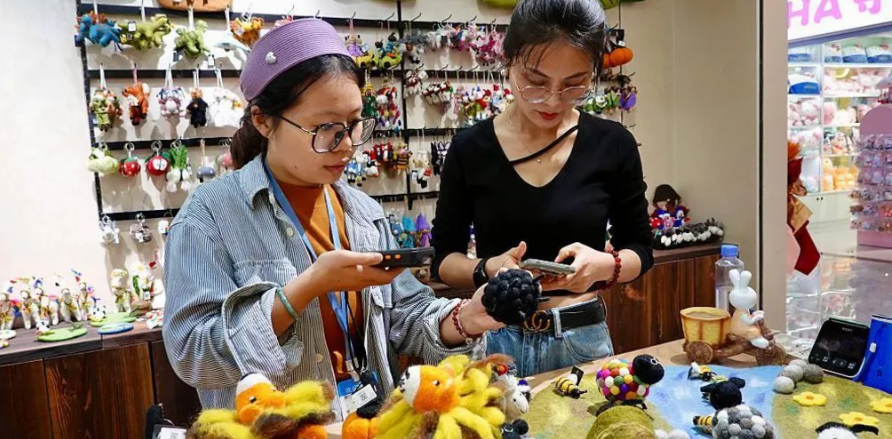
China’s biggest online shopping festival, Singles’ Day, is starting weeks earlier this year as retailers attempt to revive consumer spending in an increasingly sluggish economy.
Traditionally held on November 11, Singles’ Day sales have become a cornerstone of China’s retail calendar, often compared to Black Friday or Amazon’s Prime Day. But this year, e-commerce giants such as Alibaba, JD.com, and Douyin began rolling out major discounts and promotions in mid-October, aligning the start of sales with the end of the country’s Golden Week holiday.
The early launch reflects growing concerns over China’s weakening consumer confidence. The world’s second-largest economy has been grappling with rising youth unemployment, a prolonged property crisis, mounting local government debt, and escalating trade tensions with the United States. These pressures have led households to tighten their budgets despite government efforts to stimulate spending.
Beijing has poured billions of yuan into measures such as family subsidies, wage increases, and discounts on consumer goods. Yet, retail sales growth continues to fall short of expectations, suggesting that consumers remain cautious.
Singles’ Day, originally launched by Alibaba in 2009, has evolved from a one-day event into the world’s largest shopping festival, generating tens of billions of dollars in sales each year. Once marked by glitzy entertainment shows featuring international stars like Jessie J, the event now serves as a crucial revenue driver for China’s e-commerce and retail sectors in the final quarter.
Alibaba announced that its “11.11 Global Shopping Festival” officially kicked off on October 15 across its Taobao, Tmall, and AliExpress platforms. The company said it is using advanced search and recommendation tools to help users navigate millions of listings and discover personalised deals.
Meanwhile, competitors such as JD.com and Douyin have covered their apps with banners advertising “11.11” discounts and digital vouchers in a bid to capture early shoppers.
Analysts say the retail sector’s subdued mood stems from the pandemic-era spending hangover and persistent deflationary pressures. “Chinese consumers have become more value-conscious since Covid-19,” said one Shanghai-based economist. “They are saving more and spending selectively.”
Luxury retailers have been particularly affected by the slowdown. Brands such as Louis Vuitton and Burberry reported weaker sales in China this year, a concerning sign given the country accounts for about a third of global luxury demand.
However, investors appear cautiously optimistic. Shares of luxury conglomerates including LVMH and Moncler rose this week amid signs of stabilising demand in China.
As Singles’ Day approaches, the early sales push underscores both the importance—and the uncertainty—of consumer spending in China’s slowing economy.