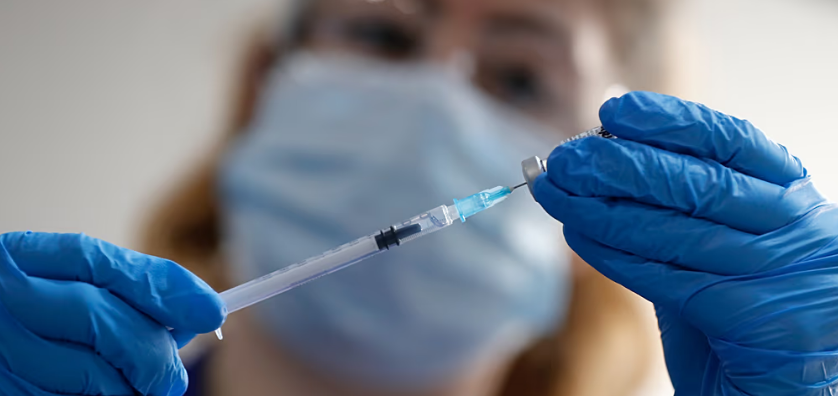
London and Washington have reached an agreement that removes the threat of US tariffs on British pharmaceutical exports, but the deal comes with higher costs for the UK’s health system. The announcement was made on Monday after months of negotiations over the pricing and trade of branded medicines.
Under the new arrangement, the United States will not impose tariffs on UK-made drugs exported to the US. In exchange, Britain will reduce the rebates that pharmaceutical companies pay back to the National Health Service (NHS). Currently, drugmakers return around 23% of their revenues from branded medicine sales to the NHS, a measure designed to control public spending. Starting in 2026, the rebate will be capped at 15%, effectively increasing the net prices the UK pays for new medicines by 25%, according to a statement from the United States Trade Representative.
The deal resolves tensions that arose after former US President Donald Trump threatened tariffs of up to 100% on branded drugs sent from the UK unless manufacturers considered establishing production facilities in the United States. The potential tariffs had caused concern among major pharmaceutical companies, which view the sector as one of Britain’s strongest export industries, including companies such as AstraZeneca and GSK.
As part of the agreement, the United States has pledged not to target UK pharmaceutical pricing practices in any future investigations during the remainder of Trump’s term. The move addresses longstanding complaints from US officials that American patients often pay higher prices for new drugs compared with the UK, where the NHS operates a strict pricing system. The National Institute for Health and Care Excellence (NICE) evaluates new medicines based on cost relative to health benefit, limiting funding for treatments deemed too expensive for the extra healthy life they provide. Critics say this system can slow the uptake of innovative drugs.
The UK government described the deal as a “milestone” that will secure medicine supplies for tens of thousands of NHS patients and speed up access to “groundbreaking new treatments.” It follows a broader trend of UK pharmaceutical companies shifting investments overseas due to regulatory and commercial challenges at home. AstraZeneca recently paused a £200 million investment in its Cambridge research site, citing these difficulties, while GSK announced a $30 billion US investment plan over five years.
This latest agreement comes six months after Prime Minister Keir Starmer negotiated a separate deal with the US limiting tariffs on most exports to 10%, leaving pharmaceuticals as a key unresolved issue. Analysts say the new deal provides clarity for the sector, though it places additional costs on the NHS for cutting-edge medicines.
With trade and pricing uncertainties addressed, British pharmaceutical firms may now focus on production and research, while patients could benefit from faster access to new treatments. The arrangement also underscores the strategic importance of the pharmaceutical industry in UK-US trade relations.