
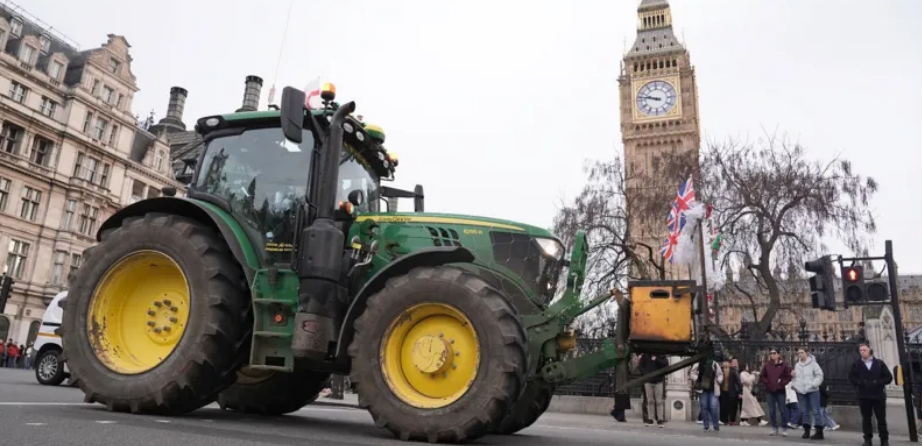
The UK government has raised the threshold for a proposed inheritance tax on farmland, increasing it from £1 million to £2.5 million following months of protests by farmers and concern from some Labour backbenchers.
The original plan, announced at last year’s Budget, aimed to impose a 20% tax on inherited agricultural assets exceeding £1 million from April 2026. This would have ended the 100% relief that has been in place since the 1980s, with the government estimating the change could raise £520 million annually by 2029.
In a statement released after Parliament had adjourned for the Christmas recess, Environment Secretary Emma Reynolds said, “We have listened closely to farmers across the country and we are making changes today to protect more ordinary family farms. It’s only right that larger estates contribute more, while we back the farms and trading businesses that are the backbone of Britain’s rural communities.”
The revised proposal allows a couple to pass on up to £5 million in qualifying assets to spouses tax-free. Assets above the threshold will receive a 50% relief, meaning the tax burden is significantly reduced. The government estimates that the number of estates liable for additional inheritance tax in 2026/27 will fall from around 2,000 under the original plan to 1,100 under the new arrangement.
Industry groups welcomed the changes but cautioned that the tax still poses challenges for some family farms. Tom Bradshaw, head of the National Farmers’ Union, said on BBC Radio 5 Live that the move “takes out many family farms from the eye of a pernicious storm.” Gavin Lane, president of the Country Land and Business Association, added that while the government deserved credit for adjusting the policy, “many family businesses will own enough expensive machinery and land to be valued above the threshold, yet still operate on such narrow profit margins that this tax burden remains unaffordable.”
Farmers echoed these concerns. Ben Ardern from Derbyshire described the change as “a step in the right direction” but urged the government to target only wealthy investors rather than family-run farms. “The big corporations who have just buried money into land—they’re not farmers. Farmers haven’t bought land to avoid tax, we’ve bought land to farm it and grow food,” he said.
The tax proposals have provoked political divisions. Some Labour MPs in rural constituencies expressed concern, with one backbencher, Markus Campbell-Savours, voting against the government and subsequently being suspended from the party. Conservative leader Kemi Badenoch said the fight was not over and pledged to continue campaigning against the tax for other family businesses. Liberal Democrat Tim Farron and Reform UK’s Richard Tice also criticized the policy, calling for it to be scrapped entirely.
The climbdown on farmland inheritance tax is the latest in a series of government reversals since the July 2024 election, following earlier changes to winter fuel payments and welfare cuts.