


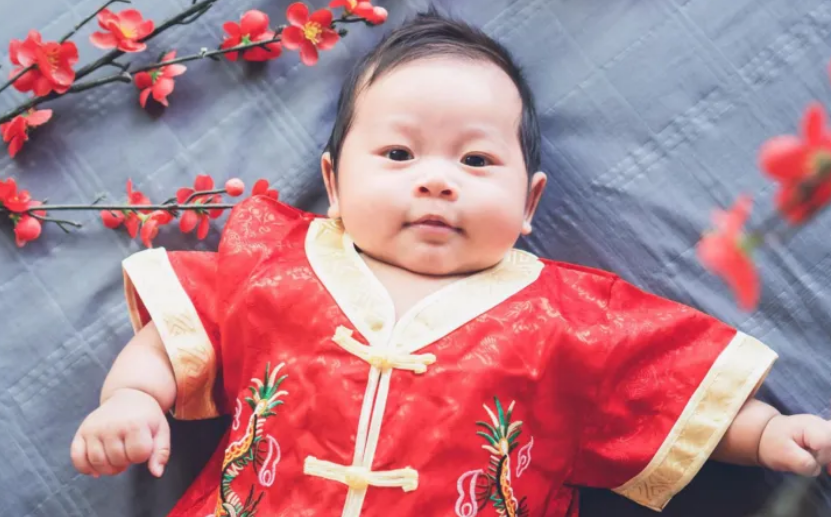
China will impose a 13% sales tax on contraceptives starting 1 January, while childcare services will be exempt, as Beijing seeks to address declining birth rates and an ageing population. The move comes alongside broader reforms to the country’s value-added tax (VAT) system, which removes many exemptions in place since 1994, when the one-child policy was still enforced.
Under the new tax framework, marriage-related services and elderly care will remain exempt, and the government has also extended parental leave and introduced cash handouts to encourage families to have more children. Officials say the measures are part of a comprehensive effort to boost population growth amid economic challenges.
China has seen three consecutive years of population decline, with just 9.54 million babies born in 2024, roughly half the number recorded a decade ago, according to official data. Experts warn that the combination of rising living costs, a property market slump, and increasing financial pressures on young families has contributed to a reluctance to have children.
The decision to tax contraceptives, including condoms, birth control pills, and devices, has sparked concern and debate online. Some worry that higher prices could lead to unwanted pregnancies or increase the risk of sexually transmitted infections, while others have criticised the policy as unlikely to influence fertility decisions.
“Making contraception, which is a necessity, more expensive could mean students or those struggling financially take a risk,” said Rosy Zhao, a resident of Xi’an. In contrast, some consumers said the price increase was negligible. “A box of condoms might cost an extra five to twenty yuan a year. It’s affordable for most,” said 36-year-old Daniel Luo from Henan province.
Observers are divided on the policy’s effectiveness. Demographer Yi Fuxian of the University of Wisconsin-Madison argued that Beijing’s move is primarily aimed at generating revenue as VAT accounts for nearly 40% of the country’s tax collection, rather than directly boosting birth rates.
Henrietta Levin from the Center for Strategic and International Studies described the tax as “symbolic,” reflecting Beijing’s attempts to tackle China’s “strikingly low” fertility rates. She warned that heavy-handed approaches could backfire, noting reports that local officials in some provinces contacted women about their menstrual cycles and childbearing plans.
The challenges Beijing faces mirror demographic issues in other countries, including Japan and South Korea, where low birth rates persist despite government incentives. Many experts say the root causes include the high cost of childcare, gender inequality in domestic responsibilities, and social pressures on young adults.
“Young people today face higher expectations and stress than previous generations,” Luo said. “Even with material improvements, the pressure of society makes raising a child feel like a heavy burden.”
China’s latest measures highlight the tension between economic policy, social behaviour, and population strategy as the country seeks to reverse declining fertility while balancing public sentiment and financial realities.