
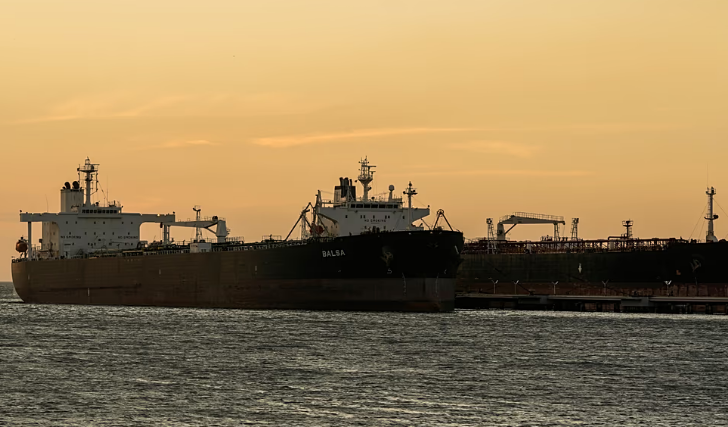
Output can rise with capital and access — but Venezuela’s oil story has never been just technical. Sovereignty, revenue flows, and who controls where the crude goes are just as important.
Following the US intervention in early January that led to the capture and removal of President Nicolás Maduro, the future of Venezuela’s vast oil reserves has become a central point of contention. Analysts say the situation remains uncertain, with two main scenarios shaping near-term outcomes for the country’s oil industry.
Tiziano Breda, senior analyst at the Armed Conflict Location and Event Data project, said one scenario involves the US gaining control or preferential access to Venezuelan oil platforms. This could bring investment and infrastructure upgrades, potentially boosting production beyond the current level of around 800,000 barrels per day. However, Breda cautioned that such a setup could primarily benefit US companies, with limited direct gains for Venezuelans.
The alternative scenario sees the Chavista structures maintained, minus Maduro. This approach would seek to protect national production and negotiate with the US, rather than cede licenses and profits to foreign firms.
Francis Perrin, a senior fellow at the French Institute for International and Strategic Affairs, said any significant foreign investment would require security, stability, and long-term profitability — conditions that remain uncertain given ongoing political instability and travel warnings from the US State Department. Companies already operating in Venezuela, including Chevron, Repsol, and Eni, are the most likely candidates to expand investment.
Venezuela’s oil has long been a tool for political power rather than broad public benefit. Breda noted that under former President Hugo Chávez, oil revenues funded political projects and regional influence while keeping the industry operational. Maduro later replaced experienced staff with loyalists, contributing to production declines that were further worsened by falling oil prices and US sanctions. Despite these challenges, the industry remained sufficient to satisfy the country’s elite, many of whom opposed the US intervention that disrupted the previous status quo.
Opposition leader María Corina Machado, who has served as interim president since Maduro’s removal, has advocated for a strong US role in Venezuela’s oil sector. Machado’s supporters see this as a path to restore investment and order, while critics fear it could replicate past models that prioritized foreign and elite interests over ordinary citizens.
Venezuela’s oil exports have historically relied heavily on China. In 2025, China received about three-quarters of the country’s oil, while the US took the remainder under specific authorizations. Analysts predict that if the US asserts control, Russia and China will lose influence over Venezuela’s oil, forcing them to seek alternative sources in a global market where supply currently exceeds demand.
As analysts and investors weigh these scenarios, Venezuela’s oil remains a pivotal element of the country’s political and economic future, highlighting the complex interplay between energy, sovereignty, and international influence.