


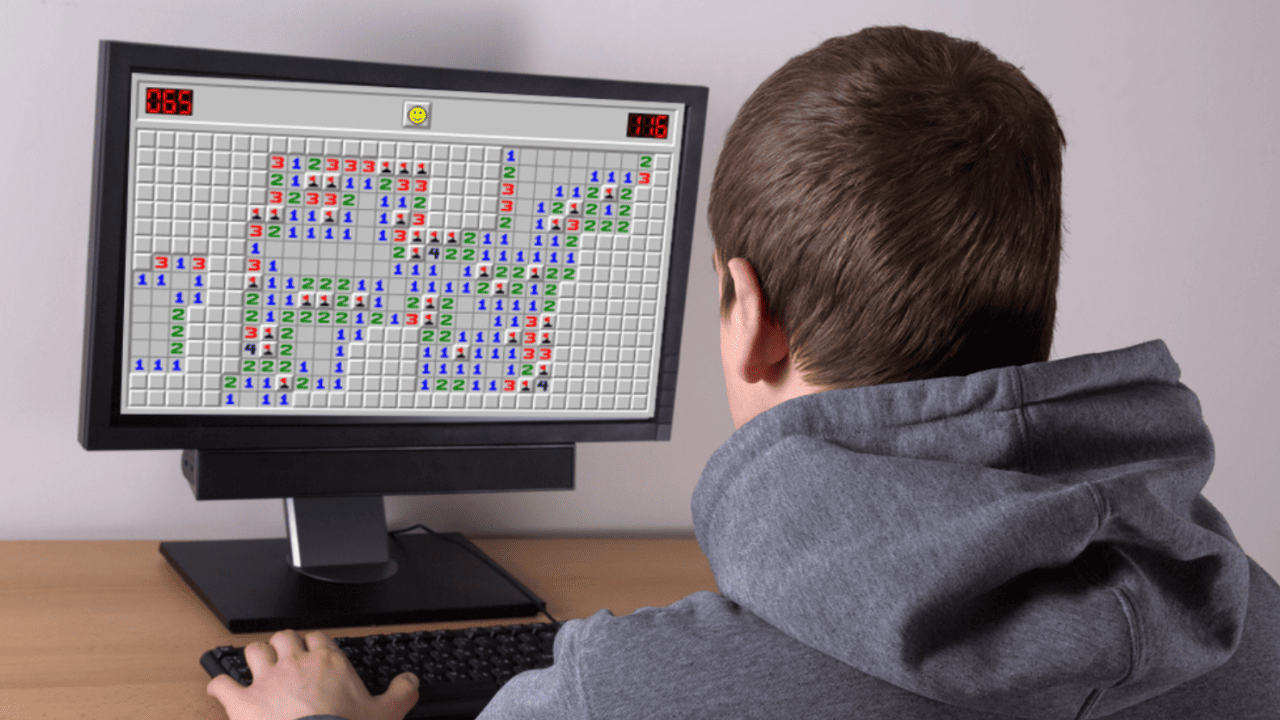
In a delightful collision of nostalgia and viral chaos, Generation Z is stumbling upon Minesweeper—the deceptively simple logic puzzle that defined “free time” in every millennial’s IT class back in the ’90s and early 2000s. TikTok is flooded with clips of wide-eyed zoomers attempting the game for the first time, often exploding spectacularly on their first click while their parents or older siblings cackle in the background. What was once a rite of passage in clunky computer labs complete with beige monitors, roaring fans, and the faint smell of overheated circuits is now a full-blown trend, complete with tutorials, duets, and “brain rot” memes labeling random clicking as the original Gen Z struggle. Thanks to the internet’s magic, today’s youth don’t need a dusty school PC to join the fun they can simply Play Minesweeper Online, where the classic grid awaits with zero downloads required. These browser-based versions replicate the authentic experience, from beginner 9×9 boards to expert 30×16 minefields that demand surgical precision (or a whole lot of luck).
A Blast from the Past: Minesweeper’s Origin Story
Minesweeper first detonated onto the scene in 1990 as part of Windows 3.0 (with roots tracing back to earlier mainframe versions), created by Microsoft employee Robert Donner. The premise? Uncover a hidden grid of safe tiles numbered by nearby mines, flag the dangers, and clear the board without going boom. It was bundled with every Windows install, turning mandatory IT classes into covert strategy sessions. Students worldwide mastered right-click flags and corner patterns, racking up high scores while the teacher droned on about floppy disks.
For millennials and elder Gen Z-ers, it was the game: sneakily educational (teaching mouse control and deduction), endlessly replayable, and perfectly bite-sized for “just one more game.” Many still remember whacking glitchy school servers to “fix” live-streaming or pranking high scores by speed-clicking to fake wins.
Gen Z’s Hilarious Reactions: From Confusion to Obsession
Fast-forward to today, and TikTok has turned Minesweeper into a nostalgia-fueled spectacle. Videos rack up millions of views showing teens rage-quitting after one mine (“Why is this harder than Fortnite?!”) or begging for advanced tips like Discord lessons from boomers. Instagram memes declare it the “original brain rot,” with kids blindly clicking Dell lab relics. Even Aussies are looping back to their parents’ factory settings, spending hours pretending to “get it.” The generational gap shines through: Older gens flex expert solves, while zoomers duet with wild strategies or modern twists. Threads debate if Gen Z even knows the rules, with many proving they don’t, but they’re learning fast.
Why Minesweeper Endures: Timeless Logic in a Swipe World
At its core, Minesweeper is pure deduction, no microtransactions, no battle passes, just you versus probability. Numbers reveal mine counts in adjacent cells: a “1” means one mine next door, forcing chain reveals or flags. Patterns like the “1-2-1” corridor become second nature, turning frustration into triumph. It’s why it sneaked logic skills into “wasted” class time, prepping a generation for tech fluency. Today, multiplayer variants pit players head-to-head, while mobile apps add flair. Gen Z’s dive-in proves classics never die, they just get rediscovered, one viral explosion at a time.