

The European Commission has convened an extraordinary meeting of its Oil Coordination Group following Hungary and Slovakia’s decision to stop diesel supplies to Ukraine, intensifying a dispute over the Russian Druzhba pipeline.
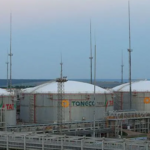
The suspension came after a Russian attack on the pipeline within Ukrainian territory disrupted operations. Both Budapest and Bratislava, heavily reliant on Russian crude transported through the pipeline, accused Kyiv of deliberately delaying repairs for political reasons. The Commission announced that the emergency meeting, scheduled for next Wednesday, will include Hungary, Slovakia, and Croatia.
“We have called an ad hoc Oil Coordination Group meeting to discuss the impact of the supply disruption and possible alternatives to fuel supply,” Commission spokesperson Anna-Kaisa Itkonen said. Hungary has requested that the EU facilitate the transfer of seaborne Russian oil through Croatia’s Adriatic pipeline as an alternative route, a proposal Croatia has already rejected.
The European Commission emphasised that its engagement should not be seen as pressuring Ukraine to expedite pipeline repairs. “We are in contact with Ukrainian authorities on the timeline of repairing this pipeline. It is very, very important that this is not misinterpreted to mean that we would be exerting any kind of pressure on Ukraine,” Itkonen said.
While Hungary and Slovakia hold sufficient oil reserves and face no immediate risk to their energy security, the Commission expressed concern over Ukraine’s broader energy situation. Chief Commission spokesperson Paula Pinho highlighted the country’s vulnerability during a harsh winter, noting that the disruption adds to the strain on Ukraine’s energy infrastructure.
The two countries have warned that they could extend their measures to electricity and gas supplies if the pipeline is not repaired promptly. Ukraine is already facing severe blackouts and heating failures due to sustained Russian attacks on its power network. Kyiv has urged Budapest and Bratislava to reduce dependence on Russian fuels, but both governments have resisted, citing the high cost of switching to alternative supply routes.
Ukraine’s foreign ministry criticised the suspension, with spokesperson Heorhii Tykhyi comparing Hungary and Slovakia’s continued reliance on Russian energy to a “drug addiction.” The dispute underscores growing tensions as EU member states navigate energy security while implementing sanctions against Russia.
In January 2026, the European Union adopted legislation requiring all member states to phase out Russian fossil fuels by 2027. Hungary and Slovakia have both filed legal challenges against the law, raising questions about compliance and the speed of transition.
The Commission’s emergency meeting aims to explore alternative supply routes and mitigate disruptions to Ukraine, while balancing the energy needs of member states that remain dependent on the Druzhba pipeline. How the meeting addresses both immediate supply concerns and the broader EU energy transition remains closely watched by governments across the region.