
Eager to unlock new markets for European businesses, the European Commission is considering circulating only English-language versions of trade agreements for approval by EU governments and the European Parliament. However, sources told Euronews that France is prepared to push back if the move goes ahead.
The proposal comes amid frustration over slow ratification processes, particularly for the EU–Mercosur trade deal, which has remained stalled since 2021. Translating agreements into all 24 official EU languages can take months due to the detailed legal scrutiny required, delaying access to new markets.
Trade chief Maroš Šefčovič told EU trade ministers in February that the recently concluded trade deal with India, signed on 27 January, could serve as a test case for English-only ratification. “We lost almost €300 billion by not having the Mercosur agreement in place since 2021, if it comes to the GDP, and more than €200 billion in export opportunities,” Šefčovič said after a ministerial meeting on 20 February. “In today’s world, we cannot simply lose the time.”
Šefčovič added that full translation into all EU languages would occur after publication in the Official Journal, following ratification. He also noted that at least seven member states had expressed support for the approach, though not all countries had spoken during the meeting.
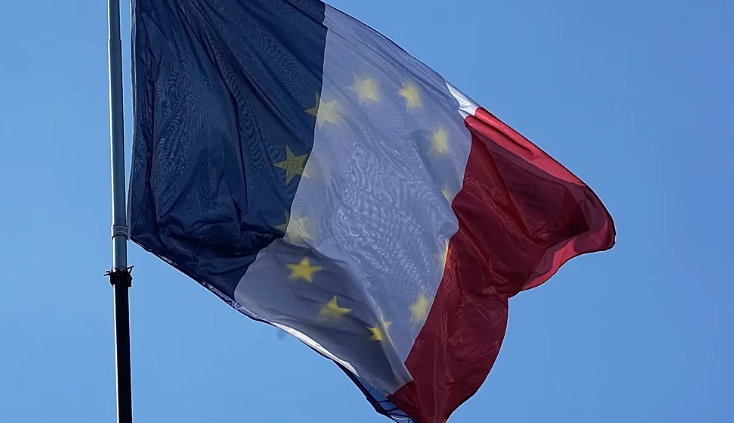
French officials, speaking to Euronews, emphasized that Paris would vigorously oppose any shift to English-only agreements. “As a matter of principle, we defend the use of all the languages of the Union, and in particular French, which is one of the EU’s working languages,” one source said.
Language policy remains a sensitive issue in the bloc, particularly for France, whose influence has waned as English has increasingly dominated daily operations within EU institutions. French, German, and English are the three official working languages, but French officials argue that switching entirely to English raises legal and democratic concerns. “Switching entirely to English raises a legal and democratic issue, and the Commission is well aware of it,” an EU diplomat told Euronews.
Michele Gazzola, a language policy expert, warned that relying solely on English during ratification could create practical challenges. “I have the impression that in some cases the Commission seizes the opportunity to push the idea that English has a superior status, and that the other official languages are translation languages that can come later,” he said. Gazzola added that such a move could complicate work for members of the European Parliament and national parliaments tasked with reviewing agreements.
The European Commission’s website emphasizes the importance of linguistic diversity, noting that the EU promotes multilingualism across all institutional work. Despite the proposed fast-track approach, the debate over the use of English versus other official languages is set to spark political tension in Brussels.