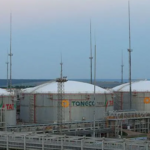

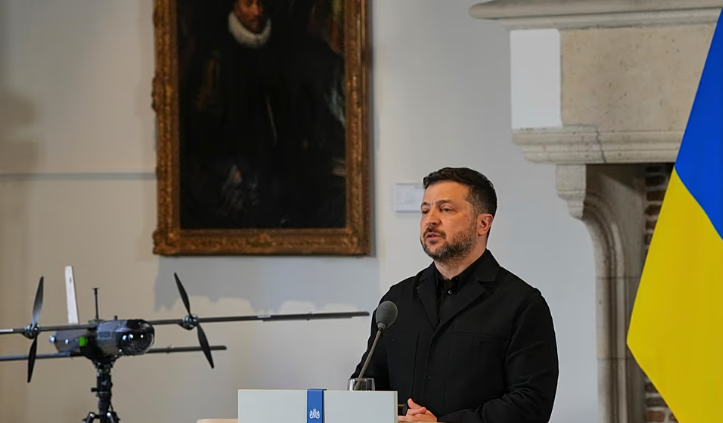
European Union ambassadors are moving toward final approval of a €90 billion loan package for Ukraine, with a formal decision expected after months of political negotiation. The breakthrough comes after Ukrainian President Volodymyr Zelenskyy said repairs to the Druzhba oil pipeline had been completed, potentially restoring flows of Russian oil to Hungary and Slovakia and removing Budapest’s justification for blocking the agreement.
Zelenskyy told EU partners that Kyiv had acted on earlier requests to repair the pipeline and now expected the bloc to fulfil its commitments. EU officials have welcomed the development, seeing it as a way to unlock both financial support for Ukraine and stalled sanctions discussions against Russia. Top EU diplomat Kaja Kallas said she hoped the remaining obstacles would be resolved quickly, while warning against assuming the process would be entirely smooth.
The pipeline development is also linked to wider sanctions talks. A new EU package targeting Russia has been delayed since February, partly due to disagreement over restrictions on maritime services for Russian oil exports. Greece and Malta have raised concerns, arguing that action should be coordinated with G7 partners. However, EU Economy Commissioner Valdis Dombrovskis signalled that the bloc should not wait for global consensus, stating that Europe must be prepared to act independently if necessary.
In parallel, tensions within the Union continue over rule-of-law and rights issues. The European Court of Justice ruled that Hungary’s 2021 child protection legislation unlawfully discriminates against LGBTQ+ people, marking the first time a member state has been found in breach of the EU’s fundamental values framework. Luxembourg Foreign Minister Xavier Bettel condemned political rhetoric targeting minorities, warning against comparisons with historical discrimination.
Energy security remains another central concern in Brussels. The European Commission is preparing a package of measures aimed at shielding households and industries from rising costs linked to global energy disruptions stemming from the Iran conflict. Draft proposals include targeted energy vouchers, income support for vulnerable households, and temporary protections against utility disconnections. Tax adjustments and subsidies for clean technologies are also being considered to ease pressure on consumers.
Across the Atlantic and Middle East, uncertainty persists as US efforts to extend a ceasefire with Iran continue without clear confirmation from Tehran. Negotiations remain fragile, with both sides warning of renewed hostilities if talks fail. The instability has contributed to volatility in global energy markets and renewed concerns over supply routes through the Strait of Hormuz.
Former Finnish Prime Minister Sanna Marin, speaking in Brussels, said NATO remains essential for European security but warned that shifting US priorities mean Europe must strengthen its own defence and strategic autonomy.
Separately, EU foreign ministers rejected calls to suspend trade ties with Israel over allegations related to the war in Gaza, though further discussions on targeted measures remain on the agenda.
As EU institutions juggle war-related financing, energy pressures, legal disputes, and geopolitical instability, officials acknowledge that the coming weeks will be critical in determining both the bloc’s unity and its global influence.