
Germany’s economic confidence jumped to a four-year high in January. ZEW data show stronger optimism in export sectors, though markets remain cautious amid rising trade risks.
The ZEW Economic Sentiment Index rose to 59.6 points in January, up from 45.8 in December and surpassing market expectations of 50. This marks the strongest reading since July 2021, signalling growing optimism that 2026 could be a turning point for Europe’s largest economy. The gauge of current conditions, while still negative, improved to -72.7 points from -81 the previous month.
“The ZEW Index is rising strongly. 2026 could mark a turning point,” ZEW President Achim Wambach said, while cautioning that reforms are still needed to ensure sustainable growth.
The upbeat sentiment in Germany was mirrored across the eurozone. The ZEW index for the euro area rose to 40.8 points in January, up from 33.7 in December, marking its highest level since July 2024. Current conditions in the eurozone also showed improvement, climbing to -18.1 from -28.5.
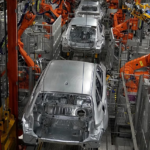
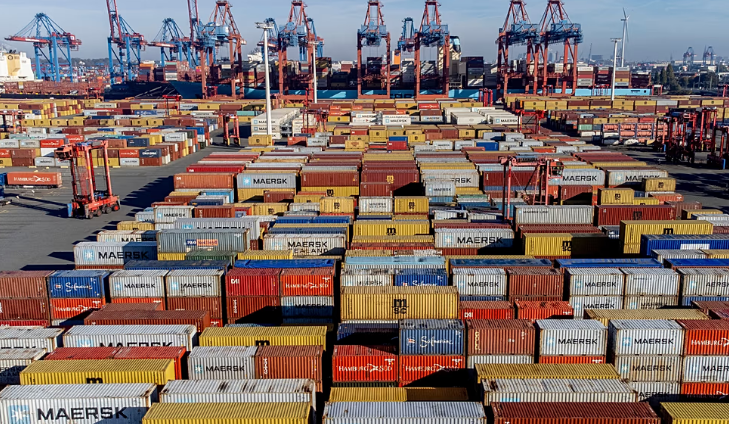
Export-oriented sectors are leading the rebound. Mechanical engineering and steel and metals posted gains of more than 20 points, while the automotive sector improved sharply, though its balance remains slightly negative. Chemicals, pharmaceuticals, and electrical engineering also recorded solid increases. ZEW attributed the optimism to better-than-expected industrial production and orders in November 2025, as well as the potential benefits of the EU-Mercosur trade agreement.
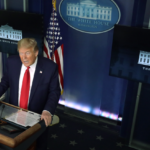
The survey comes as the US threatens new tariffs on European exports. President Donald Trump warned of a 10% tariff from February 1 on imports from Germany and other countries, with the rate potentially rising to 25% in June. If the EU retaliates, the measures could cover €93 billion in US imports, roughly 28% of total US imports in 2024.
Oxford Economics warned that a full 25% US tariff on Europe, combined with reciprocal measures, could cut both US and eurozone GDP by around 1% at peak impact. The eurozone would face prolonged effects, and global GDP growth could slow to 2.6% in 2026–27, the weakest pace since the financial crisis, excluding the pandemic.
European Commission President Ursula von der Leyen addressed the issue at the World Economic Forum in Davos, framing geopolitical tensions as an opportunity for Europe. “In politics, as in business, a deal is a deal. When friends shake hands, it must mean something,” she said, reaffirming Europe’s commitment to Greenland’s sovereignty and Arctic security. She also outlined plans for investment initiatives in Greenland and closer Arctic cooperation with the US, including potential icebreaker capabilities.
Despite the positive economic sentiment, European markets reacted cautiously. The STOXX 50 fell more than 1% on Tuesday, adding to Monday’s decline, while the broader STOXX 600 dropped 1.3%. Germany’s DAX, France’s CAC 40, and Italy’s FTSE MIB each declined by 1.3%, with high-profile companies such as LVMH, Siemens, and Novo Nordisk down around 3%.
The data highlights a complex economic outlook for Germany: strong optimism among exporters, tempered by growing geopolitical and trade uncertainties.