

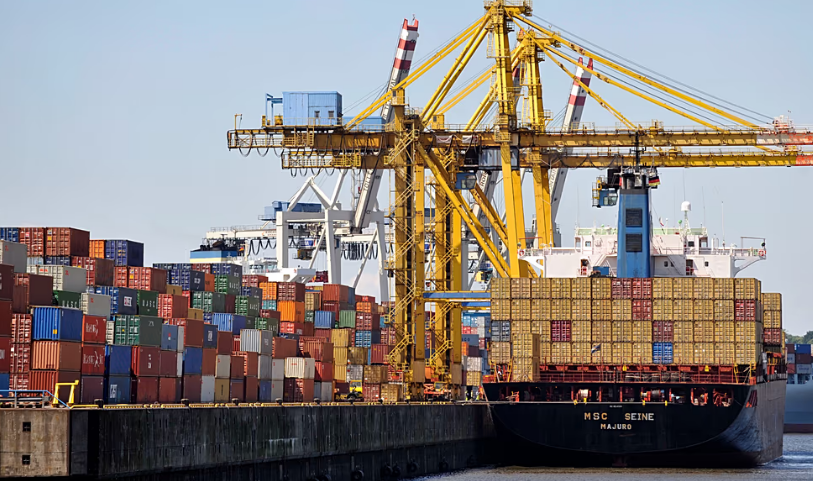
Intra-EU trade continued to underpin Germany’s surplus. Exports to EU countries rose 2.5% to €74.3 billion, while imports from those markets increased by 1.2% to €59.3 billion. Within the eurozone, exports grew by 1.4% as imports dipped slightly by 0.7%, widening the surplus. The strongest performance came from non-eurozone EU members, with exports jumping 5.1% and imports up 4.9%.
Carsten Brzeski, global head of macro research at ING, said the figures showed “some signs of life” in the German economy following a slow summer but warned against overinterpreting the modest export rebound. “The improvement is not enough to signal a turnaround,” he said.
Brzeski pointed to structural challenges in Germany’s export mix, noting that trade shares with both the U.S. and China have declined. U.S.-bound exports now make up just 9.5% of Germany’s total, down from 10.5% a year ago, while China’s share has dropped to 5%, compared with nearly 8% before the pandemic.
He added that ongoing tariffs from Washington and slower demand from Asia are likely to keep export growth subdued in the coming months, leaving Europe’s largest economy increasingly reliant on domestic and regional demand to sustain momentum.