
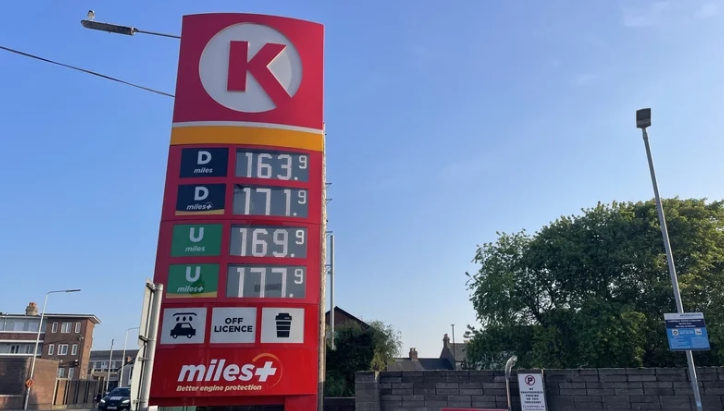
As tensions in the Middle East escalate following U.S. strikes on Iranian nuclear sites, the global oil market is entering a critical phase that could directly affect petrol and diesel prices in Ireland. The key concern is whether the conflict will spread and impact the Strait of Hormuz, a vital maritime corridor for the global oil trade.
The Strait of Hormuz, located off southern Iran, is the world’s most strategic oil transit chokepoint. Around 25% of global oil exports—primarily from Gulf nations such as Saudi Arabia, the UAE, and Iraq—pass through its narrow waters daily. If Iran were to obstruct the strait, even temporarily, it could trigger a sharp surge in global oil prices, leading to immediate cost increases at Irish petrol stations.
Further U.S. involvement in the region, following its bombing of three Iranian nuclear sites over the weekend, would only heighten this risk. While Iran has already launched missiles at Israel in response, analysts warn that any move to restrict oil flow through the strait could destabilise energy markets worldwide.
For U.S. President Donald Trump, the stakes are also domestic. The so-called “driving season” has begun in the United States, with summer travel and fuel consumption peaking. American consumers, used to lower fuel prices, may be sensitive to any surge caused by foreign policy decisions. With the U.S. election cycle intensifying and cost-of-living concerns high, the White House faces pressure to avoid actions that would push petrol prices higher.
Unlike previous oil market disruptions, the current crisis is not primarily about oil production but about its transport. Although oil supplies remain stable, a major logistical disruption—especially involving the Strait of Hormuz—could send prices soaring.
Despite the uncertainty, global energy markets are generally well supplied. The International Energy Agency (IEA) recently projected that oil supply will exceed demand this year, with slower consumption in China and the U.S., and rising electric vehicle (EV) adoption helping ease pressure. EV sales reached 17 million units globally in 2024 and are expected to top 20 million in 2025, accounting for about 25% of new car sales.
Ireland’s Energy Security
While Ireland is exposed to global oil price fluctuations, fears of a fuel shortage are unfounded. Following the oil crisis of the 1970s, the country built up strategic energy reserves, currently valued at around €1 billion. These include petrol, diesel, kerosene, and crude oil stored at sites across Galway, Dublin, and Foynes, as well as smaller reserves overseas.
Managed by the National Oil Reserve Agency, these reserves are sufficient to meet domestic needs for approximately 90 days. However, any fuel drawn from this stockpile would still be sold at market rates—meaning while supply would be stable, prices at the pump could still spike.
As the global market enters a volatile week, Irish motorists and businesses are being urged to brace for potential price increases, even as the country’s reserves ensure continued fuel availability.