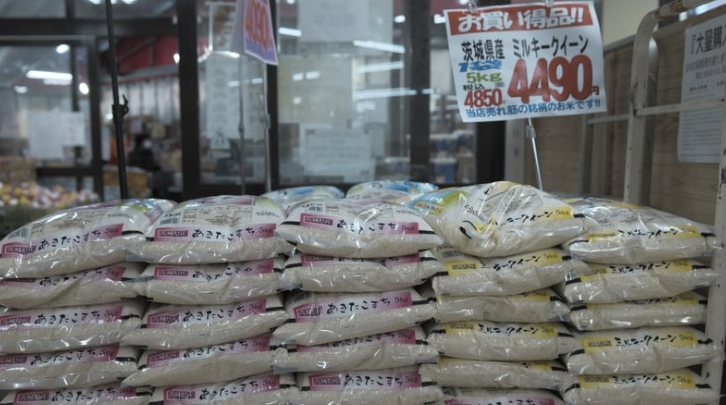
Rice prices in Japan rose by 90.7% in July compared with a year earlier, official figures revealed on Thursday, though the pace of increase slowed from previous months, offering some relief to Prime Minister Shigeru Ishiba’s government.
The sharp rise has been fuelled by supply shortages linked to the unusually hot summer of 2023 and panic-buying after a “megaquake” warning last year. In June, rice prices had climbed 100.2% year-on-year, following a 101.7% jump in May.
Despite the slowdown, the spike in rice prices continues to feed broader inflationary pressures. Japan’s core inflation, which excludes fresh food prices, eased slightly to 3.1% in July from 3.3% in June, but remained above the Bank of Japan’s (BoJ) 2% target. Analysts had expected inflation of around 3%. Excluding both food and energy, prices were unchanged at 3.4%.
The persistence of above-target inflation has reinforced expectations that the BoJ will be forced to raise interest rates later this year. The central bank last hiked rates in January but has been cautious about further tightening, arguing that the current surge is being driven by temporary factors, including rice prices.
International pressure on the BoJ has been growing. US Treasury Secretary Scott Bessent said earlier this month that Japan’s central bank was “behind the curve” on tackling inflation. Abhijit Surya, economist at Capital Economics, said on Thursday: “Although inflation is likely to cool a bit further in the months ahead, it shouldn’t prevent the Bank of Japan from resuming its tightening cycle in October.”
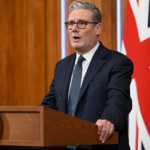
To ease domestic concerns, Ishiba’s government has released emergency rice reserves and appointed a new farm minister to stabilise supplies. Earlier this month, Tokyo also announced an end to its long-standing policy of discouraging farmers from growing rice, signalling a shift in agricultural priorities.
The issue has taken on an international dimension, with US President Donald Trump pushing Japan to import more American rice.
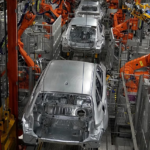
Economic data has painted a mixed picture for Japan’s recovery. Figures last week showed the economy grew at an annualised rate of 1% in the second quarter, suggesting resilience despite US trade tariffs. However, exports to the US fell 10.1% in July, with car shipments plunging 28.4%.
The automobile industry, which includes Toyota and Honda, represents around 8% of Japan’s workforce and remains highly exposed to US trade tensions. Trump’s administration initially imposed a blanket 10% tariff on Japanese goods and a 27.5% levy on cars. A recent trade deal reduced the threatened “reciprocal” tariffs on Japanese imports from 25% to 15%, including on automobiles, although the revised rates are yet to take effect.
For Ishiba, the rice crisis underscores the challenge of balancing domestic inflation, food security, and global trade pressures—all while ensuring Japan’s fragile economic recovery stays on track.