

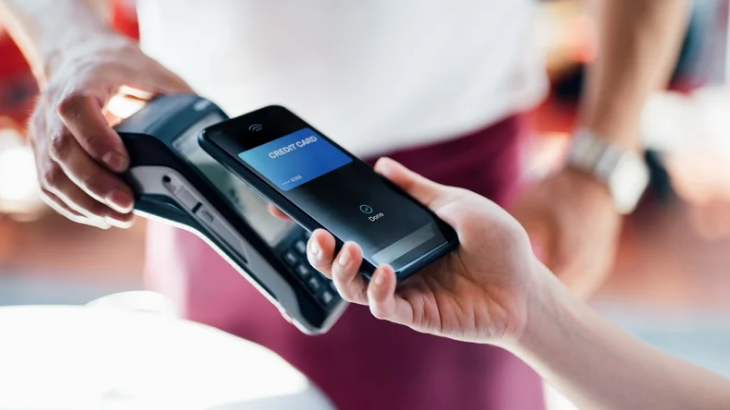
Smartphones and smartwatches are rapidly overtaking physical cards as Ireland’s preferred payment method, with new data showing mobile wallets driving a surge in contactless transactions.
Figures released by Banking and Payments Federation Ireland (BPFI) reveal that contactless payments made up 87.9% of all point-of-sale (POS) card transactions in the first half of 2025. Of those, more than half — 58.2% — were carried out via mobile wallets such as Apple Pay and Google Pay. This represents an almost 20% increase compared with the same period last year.
Between January and June, Irish consumers made nearly 454 million mobile wallet payments in shops, restaurants, and retail outlets across the country. In total, contactless POS payments over the past year reached 1.6 billion transactions, with a combined value of €28.3 billion.
Usage patterns varied widely by region. Dublin residents emerged as the heaviest adopters of both mobile and contactless payments, making 392 contactless transactions and 238 mobile wallet transactions per capita in the 12 months to June. The capital accounted for 39.1% of all contactless payments nationwide and 41.8% of mobile wallet activity. By contrast, Roscommon recorded the lowest contactless usage at 139 transactions per capita.
Gillian Byrne, Head of Payments at BPFI, said the figures highlight a clear shift in consumer behaviour. “Contactless payments continue to be very popular with Irish consumers, accounting for almost nine out of ten point-of-sale card payments,” she explained. “Smartphones and smartwatches are becoming the preferred payment device over physical cards for many people, reflecting changing habits in everyday spending.”
The shift is also affecting the role of cash in the economy. Byrne noted that as digital payments have grown in popularity, cash use has steadily declined. “In 2024, less than half of point-of-sale payments in Ireland were made in cash,” she said, underlining a trend that has accelerated since the pandemic encouraged faster adoption of touch-free options.
Industry experts say the rising use of mobile wallets offers benefits such as convenience and security but may also pose challenges for older consumers and those in rural areas with less access to digital infrastructure. Nonetheless, banks and payment providers continue to invest in expanding digital services, as Ireland positions itself among Europe’s leaders in contactless adoption.
With mobile wallets now accounting for the majority of contactless payments and overall usage hitting record highs, analysts expect the trend to continue, reinforcing the shift toward a largely cashless society.