
A growing number of multinational companies are turning to the US Court of International Trade in an attempt to recover millions of dollars paid under former President Donald Trump’s “Liberation Day” tariffs. More than 70 firms — ranging from major retailers to manufacturers and food producers — have filed lawsuits seeking refunds and a halt to future duty collections.
Court records show a rapid increase in cases in recent weeks, coinciding with the US Supreme Court’s ongoing review of whether Trump had the legal authority to impose the tariffs under the International Emergency Economic Powers Act (IEEPA). The law, enacted in 1977, allows a president to declare a national emergency in response to an external threat and take economic action against foreign entities. The companies argue that it was never intended to serve as a basis for broad, across-the-board import tariffs.
Until recently, most challenges came from smaller importers. Now, some of the world’s most recognisable corporations are involved. They claim the duties have pushed up costs, disrupted supply chains and reshaped trade patterns across key sectors.
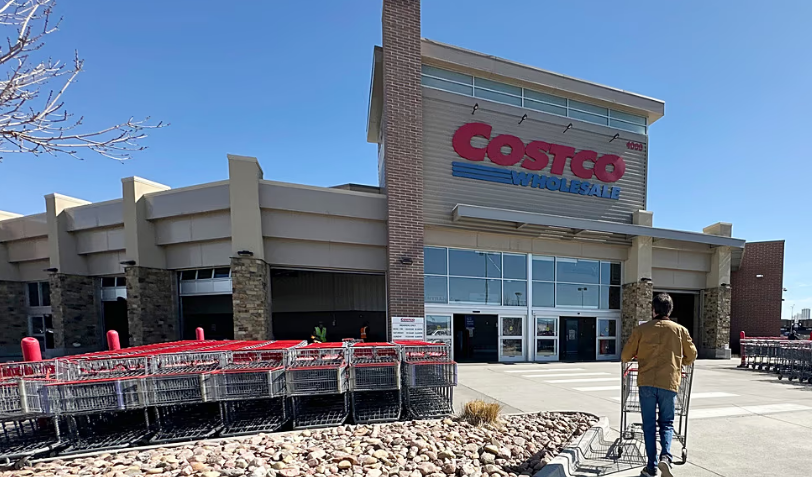
Costco filed its lawsuit in November, demanding a full refund of duties already paid and an order barring the government from collecting additional tariffs. The retailer argued that the IEEPA does not clearly permit the White House to set customs duties and that using emergency powers to impose such tariffs violates the law.
Revlon has also petitioned the court, seeking reimbursement and a ruling that Trump exceeded his authority. The cosmetics company warned that some of the entries on which it has paid duties could soon become final, limiting its options to recover funds if the tariffs remain in effect.
Manufacturers in the automotive and industrial fields make up a sizeable portion of the plaintiffs. Filings show that subsidiaries of Japan’s Toyota Group are challenging higher duties on components and metals, while Kawasaki Motors and several auto suppliers say the measures have raised their production costs.
Aluminium producer Alcoa, packaging company Berlin Packaging, plumbing supplier Ferguson Enterprises and fitness equipment maker iFit have also joined the legal effort. Food companies, including Bumble Bee Foods, claim they were hit by rising import expenses across their global sourcing networks when the tariffs were introduced.
The Supreme Court has already heard arguments on the broader legal issue of whether a president can rely on IEEPA to levy wide-ranging tariffs. Lower courts have ruled against the administration, and several justices expressed doubts about the government’s position during the hearing. Some also questioned how refunds would be processed if the duties were invalidated, noting that reversing years of collections could prove disruptive.
Attention on Costco’s case has increased after the company nominated former US Commerce Secretary Gina Raimondo to its board. Shareholders will vote on her appointment in January, while the Supreme Court is expected to issue its decision on the tariff dispute by June 2026.