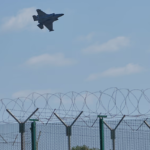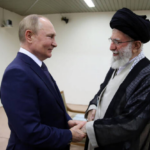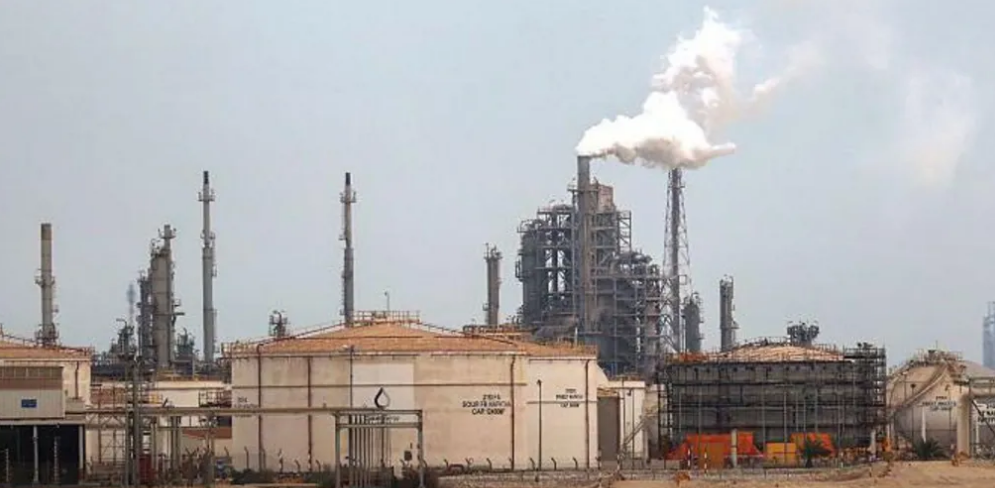
Oil prices have risen to their highest level in more than two years, as Qatar’s energy minister warned that all Gulf oil and gas exporters could be forced to halt production within days.
Saad al-Kaabi told the Financial Times that the ongoing Middle East conflict, involving the US, Israel, and Iran, could “bring down the economies of the world.” Brent crude surged more than 9% on Friday, topping $93 a barrel—the highest level since autumn 2023—while natural gas prices also climbed sharply.
Rising energy costs are expected to affect more than fuel at the pump. Higher oil and gas prices can increase the cost of heating, food, and imported goods, with analysts warning of potential inflationary pressures in major economies such as the UK and US.
Kaabi cautioned that oil prices could reach $150 a barrel if the conflict continues in the coming weeks. “If this war continues for a few weeks, GDP growth around the world will be impacted,” he said. “Everybody’s energy price is going to go higher. There will be shortages of some products and there will be a chain reaction of factories that can’t supply.”
In the UK, petrol and diesel prices have already increased, reaching a 16-month high. The RAC reported petrol prices up 3.7p per litre and diesel up 6p since the previous Saturday. The Competition and Markets Authority is closely monitoring fuel prices, while household energy bills could rise in July when Ofgem’s current energy price cap expires.
QatarEnergy, the state energy company, has halted liquefied natural gas production after “military attacks” on its facilities, declaring force majeure. Kaabi said that even if hostilities stopped immediately, it would take “weeks to months” to resume normal output. He added that he expects other Gulf energy exporters to follow suit if the war continues.
The Strait of Hormuz, a critical shipping route for roughly 20% of the world’s oil, has seen traffic nearly stop since the outbreak of the US-Israel conflict with Iran. Analysts warn that prolonged disruption could drive oil prices even higher, with some countries forced to store oil until production is halted.
Jorge Leon, analyst at Rystad Energy, told the BBC that the situation poses a “real risk to the global economy.” He noted that if the crisis extends beyond two weeks, the implications for global energy markets and economic growth could be significant.
While some infrastructure in the UAE and Saudi Arabia allows oil to bypass the strait, the longer threats to Gulf shipping continue, the greater the pressure on global energy prices. Lindsay James, investment strategist at Quilter, said a full halt to Gulf production is “an extreme scenario,” but warned that persistent energy price increases could weigh heavily on economic growth even if food inflation remains largely unaffected.