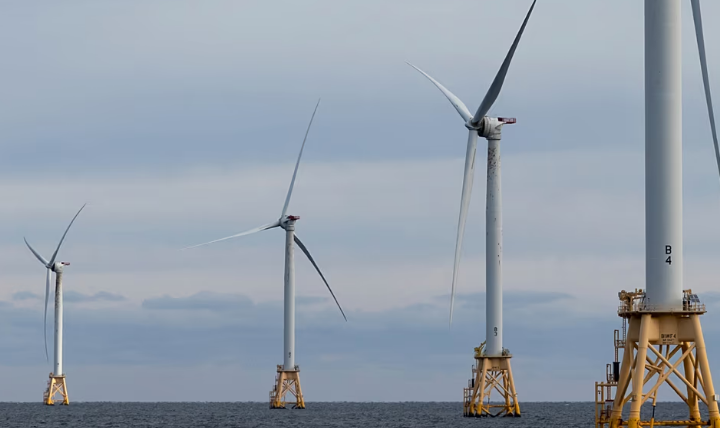
Shares in Danish energy firm Ørsted rose about 5 percent on Tuesday after a federal court in Washington granted a preliminary injunction allowing construction on the $5 billion Revolution Wind offshore project to resume. The project had been paused under directives issued during the Trump administration.
The US District Court for the District of Columbia issued the order, temporarily halting a 22 December stop-work directive from the Bureau of Ocean Energy Management (BOEM), the Interior Department agency responsible for offshore energy development. The ruling enables Ørsted and its partners to restart construction while the legal dispute over the pause continues.
“The court’s action will allow the Revolution Wind Project to restart impacted activities immediately while the underlying lawsuit progresses,” Ørsted said in a statement. The company added that it would work with the US administration to seek an “expeditious and durable resolution” and that safety remains the top priority as construction resumes.
The lawsuit challenges both the December suspension and an earlier director’s order issued on 22 August, which the developers argued unlawfully disrupted project work. Although the court has not yet ruled on the merits of the case, the injunction removes a major regulatory obstacle, allowing the developers to continue work while litigation proceeds.
Revolution Wind is a 50/50 joint venture between Ørsted, the world’s largest offshore wind developer, and Skyborn Renewables, part of Global Infrastructure Partners. The project is intended to supply affordable and reliable power to the US Northeast, a region increasingly relying on offshore wind to meet climate goals and strengthen grid resilience.
The ruling marks a setback for President Donald Trump, who has repeatedly criticized wind power and pledged to reduce federal support for renewable energy, citing environmental, economic, and permitting concerns. Several previously approved offshore wind projects have faced suspensions or heightened regulatory scrutiny under the current administration.
Ørsted has faced challenges in the US market, including higher financing costs, supply chain pressures, and regulatory uncertainty, which have prompted the company to reassess parts of its North American portfolio. Despite these hurdles, Ørsted has consistently emphasized that offshore wind is essential to long-term decarbonization efforts and meeting growing electricity demand.
Analysts noted that the court decision could have wider implications for the offshore wind sector in the United States, setting a precedent for other projects navigating regulatory obstacles in a politically challenging environment. Investors have viewed Revolution Wind as a key test case for the future of offshore wind development under a more restrictive federal policy.
Construction on the project is expected to resume as soon as possible, signaling renewed momentum for offshore wind in the US and a potential boost to Ørsted’s North American ambitions.