

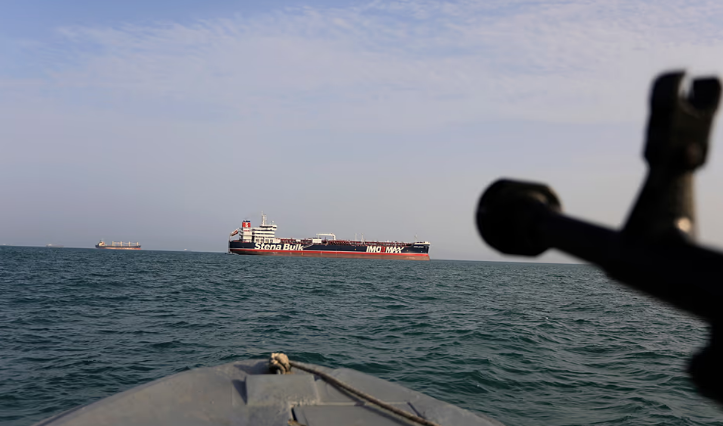
The strategic Strait of Hormuz has become one of the most closely watched waterways in the world as the ongoing conflict involving Iran, the United States and Israel continues to disrupt global shipping and energy markets.
The narrow channel, which connects the Persian Gulf to the Gulf of Oman, typically handles around 20 percent of global oil trade and nearly 30 percent of seaborne fertiliser shipments. Since the war entered its third week, the route has effectively become a frontline of economic pressure as missile threats, naval deployments and rising insurance costs force shipping companies to reconsider their operations.
Trade experts say the environment in the region has shifted dramatically. Marco Forgione said the area has moved from being merely disruption-prone to becoming a persistently hostile operating zone.
According to Forgione, shipping companies now face multiple obstacles, including rising insurance costs, operational risks and uncertainty over whether voyages through the waterway remain viable.
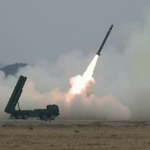
Hundreds of vessels and oil tankers have reportedly remained idle on both sides of the strait despite promises from Washington to ease the bottleneck. Missile attacks, potential naval mines and heightened military activity have slowed maritime traffic and triggered a surge in war-risk insurance premiums.
Before the conflict began, ships passing through the Gulf typically paid war-risk insurance of about 0.02 percent to 0.05 percent of the vessel’s value. Since hostilities escalated, those premiums have climbed sharply to between 0.5 percent and 1 percent, according to industry estimates.
For a tanker valued at about $120 million, insurance costs that once stood at roughly $40,000 per voyage could now reach between $600,000 and $1.2 million for a single trip. Analysts warn that these higher transport costs will likely reach consumers within weeks through increased fuel prices and rising costs for goods.
Several major shipping companies have already suspended or adjusted operations in the region. Global carriers such as Maersk, MSC, CMA CGM and Hapag-Lloyd have paused voyages through the Gulf or diverted vessels to alternative routes, which can significantly extend transit times.
Security specialists say companies are now closely monitoring intelligence reports, reviewing contingency plans and strengthening communication procedures to respond quickly if conditions worsen. Christopher Long said firms are also reviewing crew preparedness and reassessing the timing of ship movements through high-risk areas.
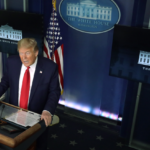
The United States has pledged to provide naval escorts for vessels crossing the strait, and Donald Trump has urged countries including China, Japan, South Korea, France and the United Kingdom to deploy naval forces to secure the waterway.
Despite these efforts, many companies still consider the route extremely risky. Iran has warned ships against crossing the strait and threatened further attacks, raising fears that prolonged disruptions could destabilise global trade and energy markets.
Trade experts say the crisis highlights the need for businesses and governments to strengthen supply chains and reduce dependence on single trade routes, warning that disruptions in critical maritime corridors could have long-lasting effects on the global economy.