

U.S. President Donald Trump has agreed to extend the deadline for escalating tariffs on European Union goods, following a phone call with European Commission President Ursula von der Leyen. The move offers negotiators additional time to avert a potentially damaging trade confrontation.
Trump, who had previously threatened to raise tariffs on EU imports to 50% by June 1, said on social media Sunday that he would now push that deadline back to July 9. He described his conversation with von der Leyen as “very nice,” indicating renewed optimism for talks.
Von der Leyen echoed his tone, stating that the EU is “ready to advance talks swiftly and decisively,” but stressed that additional time is essential to reach a comprehensive deal. “To reach a good deal, we would need the time until July 9,” she said.
The extension restores the deadline to nearly its original timeline. Before the latest threats, negotiations had been due to conclude by July 8.
Trump’s tariff threats are part of a broader campaign to reshape the U.S. trade relationship with key partners. He has long criticised the EU over what he calls an “unfair” trading imbalance. In 2024, the EU exported over $600 billion worth of goods to the U.S. while importing $370 billion, according to U.S. government data.
The president’s approach has included sweeping tariffs on goods from multiple countries, aimed at protecting American industries. However, critics argue that the measures risk inflaming global trade tensions and increasing costs for U.S. consumers.
In the case of the EU, Trump’s concerns have focused on automotive and agricultural imports. While some tariffs were paused earlier this year to facilitate negotiations, levies of 25% on European steel and aluminium remain in effect.
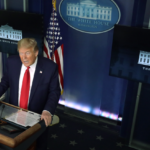
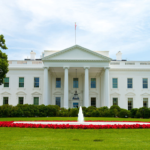
On Friday, Trump warned of an imminent hike in tariffs, expressing frustration with what he described as slow progress in negotiations. “We’re not getting anywhere,” he said at the White House, threatening to raise tariffs to 50% unless talks advanced.
In response, EU Trade Commissioner Maroš Šefčovič reaffirmed the bloc’s commitment to a balanced deal. After speaking with U.S. officials, including Trade Representative Jamieson Greer and Commerce Secretary Howard Lutnick, Šefčovič said: “EU-US trade is unmatched and must be guided by mutual respect, not threats.”
While the EU has also prepared retaliatory measures — including a paused 25% tariff on €18 billion worth of U.S. goods and consultations on additional duties affecting €95 billion in trade — European leaders have stressed the importance of diplomacy.
France and Germany, in particular, have warned against escalation, urging a negotiated settlement to avoid economic harm on both sides of the Atlantic.