

The United Kingdom has become the “most expensive place in the world” to build nuclear power plants, according to a government-commissioned review, which criticises the sector’s complex bureaucracy and risk-averse approach.
The Nuclear Regulatory Taskforce, set up by Prime Minister Sir Keir Starmer, called for a “one-stop shop” for nuclear decisions and a radical overhaul of the rules governing the industry. The review suggested that simplifying regulation could save tens of billions of pounds and reverse years of decline in the UK’s nuclear sector.
Taskforce chair John Fingleton told the BBC that the country’s regulations have made nuclear projects costly and slow. “Motorways wouldn’t be very useful if we all drove at five miles an hour, but that’s sort of what we’re doing in nuclear safety,” he said. Fingleton highlighted that radiation exposure limits in energy settings are stricter than those applied in hospitals or dental clinics, contributing to the high costs.
The report noted that Britain’s fragmented regulatory system has led to overly conservative and expensive decisions, not proportionate to the actual risks. It urged that nuclear planning and safety rules be aligned with international standards to make projects more feasible.
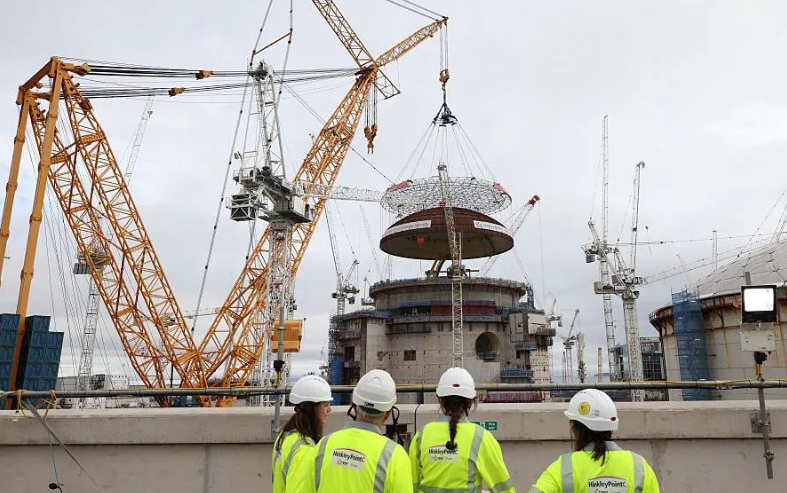
Nuclear energy remains a cornerstone of the UK’s plans to meet net zero targets. Hinkley Point C in Somerset is expected to begin operations in the early 2030s, followed by Sizewell C, which the government says will supply power to six million homes. The country is also investing in smaller, faster-to-build reactors. Existing plants currently provide around 15% of the nation’s electricity, but eight of the nine reactors are scheduled to close by 2030.
Energy Secretary Ed Miliband described the report as a blueprint for a “golden age of new nuclear,” emphasising the need for reforms to deliver energy safely and affordably. The government is expected to respond to the taskforce’s recommendations later this month in the Budget.
Globally, other major economies are expanding their nuclear capacity. France plans to build at least six new reactors, China has nearly 30 under construction, and the US recently completed its first new reactor in over three decades. Japan, recovering from the 2011 Fukushima disaster, aims to supply a fifth of its electricity from nuclear by 2040. In contrast, Germany has phased out nuclear power in favour of renewables.
The sector remains controversial. Environmental groups argue that nuclear power is inherently costly and risky. Mike Childs of Friends of the Earth said: “Investing in energy efficiency, renewable power and energy storage is the economically sensible route to keep energy bills affordable.”
The taskforce report warns that without reforms, Britain risks missing out on a global nuclear renaissance and paying a premium for energy projects that other countries are delivering more quickly and cheaply. Simplifying regulations, it argues, could make new nuclear a viable and competitive part of the UK’s energy future.