Petrol retailers in the United Kingdom have withdrawn from a planned meeting with government ministers, citing concerns over “inflammatory language” that may have contributed to staff being verbally abused by customers. The move comes amid rising fuel prices, driven by the conflict in Iran and disruptions in global oil markets.
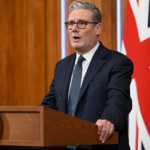
The meeting, scheduled for Friday with Chancellor Rachel Reeves and Energy Secretary Ed Miliband, was intended to discuss the Competition and Markets Authority (CMA) monitoring fuel prices to prevent “rip-offs” and profiteering. Miliband had told the BBC that the government would not tolerate price gouging linked to the conflict in the Middle East.
Gordon Balmer, executive director of the Petrol Retailers Association (PRA), said the decision to withdraw followed a lack of assurance that the meeting would remain private. In a statement, he said staff had faced abuse from members of the public, potentially fueled by media and political commentary describing fuel prices as “rip-offs” or “profiteering.”
Balmer stressed that petrol retailers are operating under challenging conditions to provide fuel at competitive prices. He highlighted the ongoing collaboration between the PRA, the CMA, and the government to implement the “Fuel Finder” scheme, which aims to help motorists identify the best value petrol and diesel outlets.
The government is under pressure to manage both immediate and long-term energy costs. Attacks on oil infrastructure and the closure of the Strait of Hormuz have constrained supplies, contributing to a spike in prices. Some industry voices have suggested further exploration and production in the North Sea as a remedy.
Miliband, however, rejected calls for new exploration licences, arguing that they would not immediately reduce consumer bills. He reaffirmed the government’s commitment to its current energy strategy, which prioritises production from existing oil and gas fields while advancing net-zero goals. He also announced plans to fast-track the construction of new nuclear power stations, aimed at securing clean, homegrown energy.
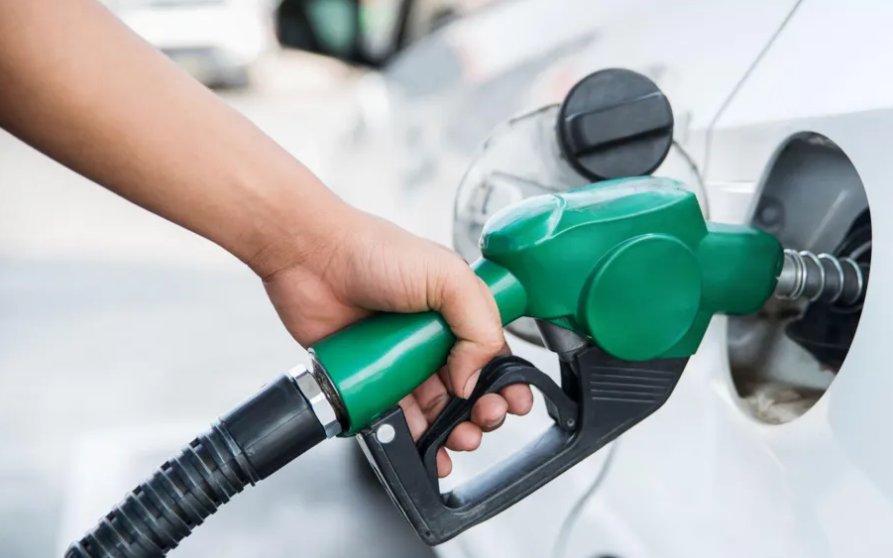
Households and businesses have felt the impact of rising costs. Petrol prices vary widely, with some forecourts charging between £1.27 and £1.80 per litre, depending on when they purchased fuel. Heating oil users, primarily in rural areas and Northern Ireland, have reported bills more than doubling, with no regulatory cap comparable to that on gas and electricity.
Miliband reiterated that the CMA is monitoring the situation closely and is prepared to intervene against unfair pricing. The Energy Secretary confirmed that the government is reviewing the planned fuel duty increase scheduled for September, which Shadow Transport Secretary Richard Holden criticised as an additional burden on consumers already facing high living costs.
The withdrawal of petrol retailers from the meeting highlights tensions between government oversight, public perception, and industry operations as the UK navigates energy pressures intensified by geopolitical unrest.