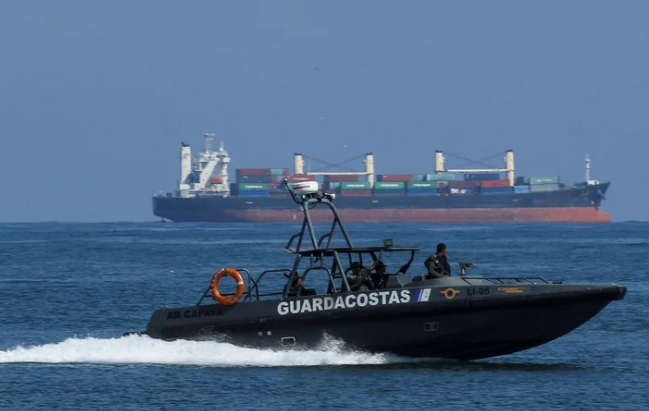
Tensions between Washington and Caracas have escalated sharply following a US drone strike that killed 11 people aboard a vessel off the coast of Venezuela earlier this month.
The incident occurred on 2 September when American military drones targeted a boat departing from a Venezuelan port in the southern Caribbean. US President Donald Trump announced the strike personally, describing it as “a kinetic strike against positively identified Tren de Aragua Narcoterrorists,” referring to a Venezuelan gang his administration had designated a foreign terrorist organisation in January.
Trump accused Venezuelan President Nicolás Maduro of directing the group, alleging it was involved in murder, drug trafficking and violence across the Western hemisphere. “Anybody even thinking about bringing drugs into the United States of America should beware,” the president warned. Vice President JD Vance hailed the attack as “the highest and best use of our military,” while Secretary of State Marco Rubio said Washington would wage “combat against drug cartels that are flooding American streets.”
The strike drew immediate condemnation from Venezuela. Interior Minister Diosdado Cabello insisted the victims were not cartel members and accused Washington of “openly confessing to killing 11 people.” He said families of the deceased were demanding answers. President Maduro described the operation as a “fabricated pretext” to destabilise his government, announcing military deployments across the country in response to what he called a growing US presence in the region.
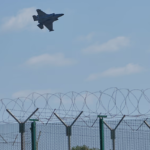
The Biden administration—rebranded under Trump as the Department of War—has reinforced its military posture in the Caribbean with warships, submarines, fighter jets and thousands of marines. Analysts say the build-up signals Washington’s intent to expand operations against organised crime groups. “They are not there for sightseeing,” a former US special operator told RTÉ News, suggesting future raids could extend into Mexico or South America.
Legal experts, however, questioned the legitimacy of the action. Christine Ryan of Columbia Law School said lethal force under international law can only be used as a last resort to protect life. “Rebranding the victims as ‘terrorists’ does not confer such authority,” she said, calling the strike a violation of both international and US domestic law.
The operation has also divided US lawmakers. Republican Senator Rand Paul criticised the celebration of extrajudicial killings, while Democratic Congresswoman Ilhan Omar introduced a resolution to curb presidential war powers, arguing only Congress could authorise military escalation. “Donald Trump cannot be allowed to drag the United States into another endless war,” said Texas Congressman Greg Casar.
With Washington offering a $50 million reward for Maduro’s arrest and deploying heavy military assets close to Venezuelan waters, observers warn the episode marks a significant new phase in America’s decades-long “war on drugs.” Critics caution that adopting tactics from the post-9/11 “war on terror” risks inflaming regional instability and setting troubling precedents for international law.