


A newly identified bacterial protein could hold the key to future cancer treatments, after scientists discovered it can cause tumour cells to destroy themselves. The breakthrough, led by researchers at Spain’s University of Salamanca, was published in the journal Cell Death Discovery.
The study focused on a protein called HapA, which is secreted by Vibrio cholerae — the bacterium best known for causing cholera. Researchers found that HapA can trigger programmed cell death, or apoptosis, in several types of cancer cells, including breast, colon, and pancreatic tumours.
“This work demonstrates the potential of bacterial proteins as anti-tumour therapeutic tools,” said Antonio Hurtado, the project’s lead researcher.
The team discovered that HapA targets two key receptors on the surface of tumour cells, known as PAR-1 and PAR-2. These receptors are normally associated with tumour growth, inflammation, and blood clotting. However, HapA interacts with them in a unique way — cutting them at different sites from those targeted by human enzymes. This unusual mechanism sets off a rapid chain reaction inside the cancer cells, leading to their self-destruction.
To confirm that HapA was responsible for the effect, scientists conducted experiments using mutant strains of V. cholerae that lacked the protein, as well as bacteria genetically modified to produce only HapA. In every case, tumour cells only died when HapA was present, confirming its decisive role in reducing cancer cell viability.
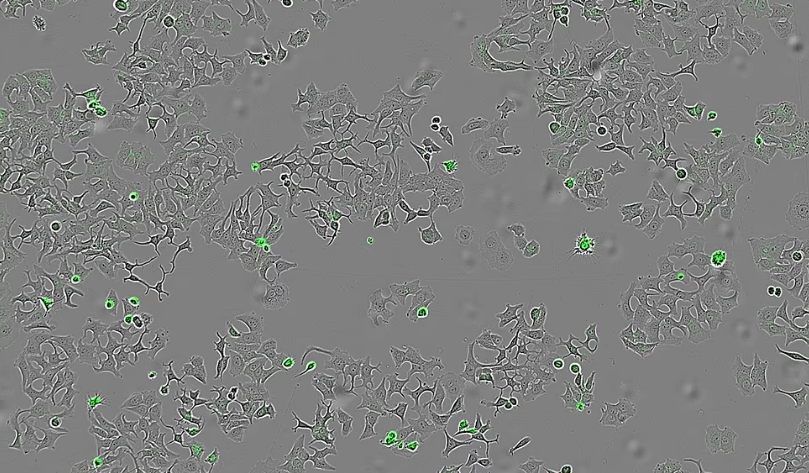
The researchers further tested the protein’s impact by exposing cancer cell lines from breast, colon, and pancreatic tumours to liquids containing all the proteins secreted by V. cholerae. “We wanted to see if human cells of different tumour types were still alive and could multiply after being in contact with these bacterial substances — particularly HapA,” Hurtado explained.
The findings suggest HapA’s unique ability to activate the PAR-1 and PAR-2 receptors could be harnessed to develop more targeted cancer therapies with fewer side effects. By influencing cell signalling through a different molecular pathway than human enzymes, scientists hope future treatments could selectively attack cancer cells while sparing healthy tissue.
Experts say the study highlights how bacteria — often viewed solely as harmful pathogens — can also provide valuable insights into new medical treatments. “Pathogens can reveal unexpected molecular mechanisms with significant therapeutic potential,” the researchers concluded.
While the findings are still at an early stage, the discovery opens the door to a new class of bacterial-based anti-cancer therapies — a promising frontier in oncology research.