

Greenland’s government has highlighted the need to strengthen its health system and recruit foreign healthcare professionals following a statement from US President Donald Trump suggesting patients in the territory are not receiving adequate care. On 22 February, Trump posted on Truth Social that he planned to send a hospital ship to Greenland “to take care of the many people who are sick and not being taken care of there.”
Greenland’s Prime Minister Jens-Frederik Nielsen rejected the offer, stressing that the country provides free healthcare for all residents, a service the United States cannot replicate. Yet Trump’s comments reflect ongoing challenges in staffing Greenland’s healthcare sector.
The territory has long struggled to recruit and retain medical professionals. In response, the government has introduced measures to ease residence permits for foreign healthcare workers. Anna Wangenheim, Minister of Health and Persons with Disabilities, stated on Facebook that Greenland is actively working to strengthen its healthcare system and is seeking more international professionals. She added that help from any country, including the United States, would be welcome if healthcare workers respect local patients, language, and culture.
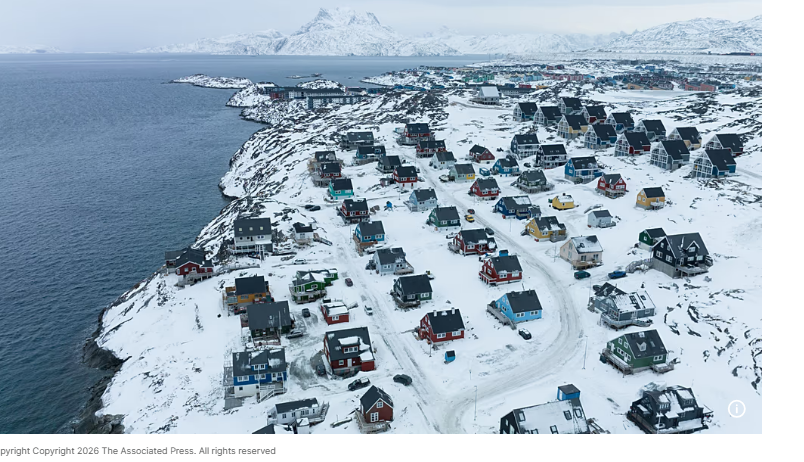
Greenland, home to more than 56,000 people as of January 2026, is the world’s least densely populated territory. Around 20,000 live in the capital, Nuuk, while the rest reside in scattered towns and settlements, presenting unique logistical challenges for healthcare delivery.
The territory’s health burden remains high. In 2023, Disability-Adjusted Life Years (DALYs) per 100,000 residents stood at 38,715, higher than Denmark’s 30,931 and the European average of 36,863. About 1.5% of the population had cancer and nearly 19% suffered from mental health disorders, both above EU averages. Life expectancy also lags behind Europe, with newborn boys expected to live 69.3 years and girls 73.9 years, compared with the European average of 81.7 years.
Greenland’s health system operates across 70 locations with roughly 120 medical positions—only half of which are permanent—and 300 nursing roles, two-thirds permanent. Services are divided into five regions, each served by a regional hospital, with Queen Ingrid’s Hospital in Nuuk acting as both a regional and national facility. More advanced procedures, such as radiotherapy or invasive cardiology, require travel to Denmark.
Telemedicine has helped bridge geographic gaps. Hansen, a medical advisor at Greenland’s Department of Health, noted that skin diseases can now be diagnosed remotely with support from Denmark. In 2023, the territory launched the app Puisa to provide secure video consultations for residents in remote areas, reducing the need for long travel.
While Greenland’s healthcare system covers basic medical needs, officials acknowledge that infrastructure and staffing limits restrict the delivery of specialized treatments locally. The government continues to seek international staff to enhance services and meet the challenges of a dispersed population.