Global efforts to eradicate Guinea worm disease have reached a historic milestone, with only 10 human cases reported worldwide in 2025, the lowest number ever recorded. The Carter Center, a US-based non-profit leading the campaign, said the figures bring the parasitic infection closer to joining smallpox as only the second human disease to be eradicated.
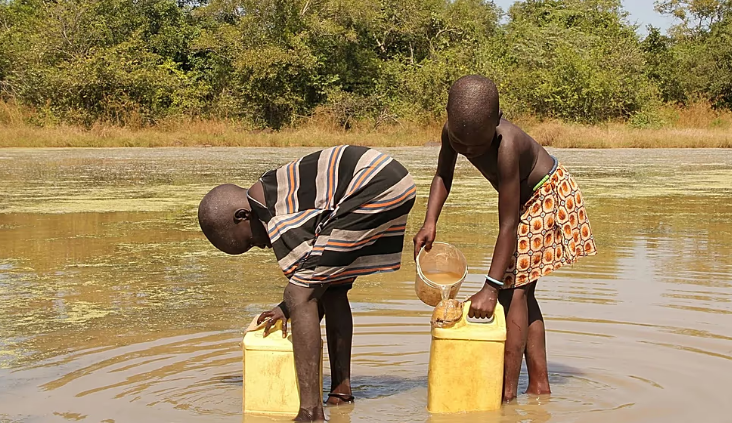
Dracunculiasis, commonly known as Guinea worm, is transmitted through contaminated drinking water. Infected individuals develop a painful blister, usually on the lower leg, from which a worm slowly emerges 10 to 14 months after infection. The disease causes severe suffering for patients and their communities. “Every person who has suffered from Guinea worm has endured something entirely preventable,” said Adam Weiss, director of the Carter Center Guinea Worm Eradication Program. “We are energized by this year’s progress, but zero is the only acceptable number, and that’s why our commitment to finishing this job is unwavering.”
The campaign against Guinea worm has achieved remarkable results since the Carter Center intensified eradication efforts in 1986, when the disease infected an estimated 3.5 million people annually. For Guinea worm to be declared officially eradicated, every country must maintain zero reported human and animal cases for at least three consecutive years.
To date, the World Health Organization (WHO) has certified 200 countries free of Guinea worm. Only six countries remain uncertified: Angola, Chad, Ethiopia, Mali, South Sudan, and Sudan. Of the 10 reported human cases in 2025, two were in South Sudan, and four each in Chad and Ethiopia. Angola, Cameroon, the Central African Republic, and Mali recorded zero human cases for the second consecutive year.
With no vaccine or cure for dracunculiasis, prevention has been central to the eradication effort. Access to safe water through protected wells and boreholes, along with cloth and pipe filters for households lacking clean water, has been essential. People infected with Guinea worm often immerse their limbs in water for relief, which can release larvae and restart the transmission cycle, making community vigilance and education critical to breaking the chain of infection.
Other neglected tropical diseases are also approaching elimination. The WHO has targeted yaws, a bacterial infection affecting children under 15, for eradication by 2030. Yaws spreads through contact with open sores and can be treated with antibiotics. In 2025, 136 countries were recognized as free of yaws transmission, a dramatic increase from only one country in 2020.
The Carter Center and WHO said the continued reduction in Guinea worm cases demonstrates the effectiveness of sustained global collaboration, surveillance, and preventive measures. The achievement underscores the potential to eliminate other preventable diseases and highlights the importance of safe water access in protecting vulnerable communities worldwide.