


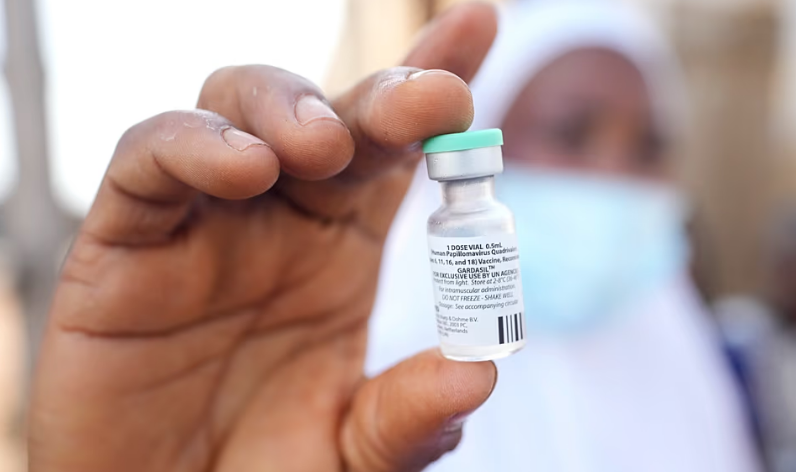
A large study has found that a single dose of the human papillomavirus (HPV) vaccine provides nearly the same level of protection as the traditional two-dose schedule, a result that could help expand vaccination programmes in low-income countries where access remains limited.
HPV is one of the most common sexually transmitted infections and is responsible for cervical cancer, which causes about 340,000 deaths each year. While most infections clear naturally, persistent cases can lead to cancer years later. Vaccines have been authorised in the European Union since 2006, and early-adopting countries have already recorded declines in precancerous cervical lesions.
The new research, conducted in Costa Rica, offers some of the strongest evidence to date that a single shot may be sufficient to prevent the most dangerous HPV strains. More than 20,000 girls aged 12 to 16 were enrolled in the study, which tested two widely used HPV vaccines. Half of the participants received one vaccine type and half the other. Six months later, half received a second dose, while the remainder were given an unrelated childhood vaccine instead.
Participants were monitored for five years and underwent regular cervical testing. Their results were compared with those from an unvaccinated control group. According to the findings, published in the New England Journal of Medicine, a single HPV dose provided about 97% protection against the strains most closely linked to cervical cancer — a rate comparable to two doses.
Previous studies had hinted at the potential effectiveness of a single shot, but the latest results offer firmer confirmation of durable protection. In an accompanying editorial, Dr Ruanne Barnabas of Massachusetts General Hospital said the evidence strengthens the case for broadening access to HPV vaccination, especially in regions where delivery of multi-dose schedules is a challenge. She noted that the tools to eliminate cervical cancer already exist, stressing the need for governments to implement vaccination campaigns widely and fairly.
Most EU countries currently recommend two doses for girls and boys between the ages of 9 and 12, noting the virus’s link to several cancers, including head and neck cancers. Catch-up vaccinations are also recommended for people in their 20s who missed earlier immunisation.
WHO data shows that vaccination rates have risen in countries such as Spain and Germany over the past decade, while the United Kingdom and Italy have seen declines. Globally, fewer than one-third of adolescent girls have received an HPV vaccine.
Researchers noted that the study did not assess outcomes related to non-cervical cancers and that continued monitoring is necessary to understand long-term protection. Even so, the results are expected to guide future policy discussions as governments and health agencies seek to expand coverage and reduce preventable cancer deaths.