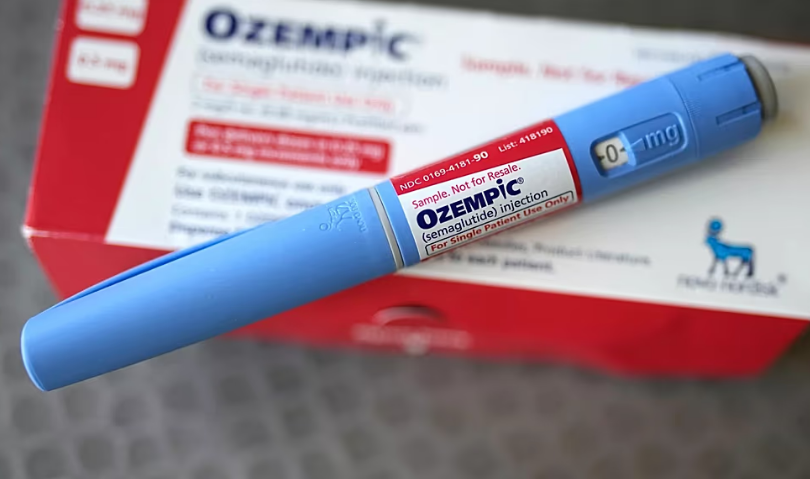
Popular weight loss medications such as semaglutide — widely known by brand names Ozempic and Wegovy — may significantly improve heart health even when users lose little or no weight, according to a new large-scale study published in The Lancet.
The findings, released on Thursday, suggest that the heart benefits of these drugs extend beyond their ability to help people shed pounds. Researchers found that patients taking semaglutide experienced fewer heart attacks and strokes, regardless of their starting weight or how much weight they lost during treatment.
“These findings reframe what we think this medication is doing,” said Dr. John Deanfield, lead author of the study and professor of cardiology at University College London. “It is labelled as a weight loss jab, but its benefits for the heart are not directly related to the amount of weight lost.”
The research was funded by Danish pharmaceutical company Novo Nordisk, which manufactures semaglutide. The drug belongs to a class known as glucagon-like peptide-1 (GLP-1) receptor agonists, which mimic a natural hormone that helps regulate appetite and blood sugar levels.
The trial involved over 17,600 adults aged 45 and older who were overweight or obese and had existing heart disease but did not have diabetes. Participants were randomly assigned to receive weekly injections of semaglutide or a placebo over several years.
According to the results, patients taking semaglutide saw a 20% reduction in major cardiovascular events — including heart attacks and strokes — compared with those who received the placebo. The improvements were consistent across all body sizes, from those who were only slightly overweight to those classified as severely obese.
While the study found that reductions in waist size accounted for roughly one-third of the drug’s heart benefits, the majority of the effect appeared to be independent of weight loss. “You don’t have to lose a lot of weight, and you don’t need a high BMI to gain cardiovascular benefit,” Deanfield said.
Researchers believe the drugs may improve heart health by reducing inflammation, improving blood pressure and cholesterol levels, and supporting the health of blood vessels.
Deanfield argued that the findings support expanding access to semaglutide beyond just the most obese patients. “Given the broad range of people this medicine could help, investigations of side effects become especially important,” he cautioned.
Common side effects of GLP-1 drugs include nausea, diarrhoea, and vomiting. Despite these, experts say the results add to growing evidence that semaglutide could play a major role not only in tackling obesity but also in reducing cardiovascular disease risk globally.