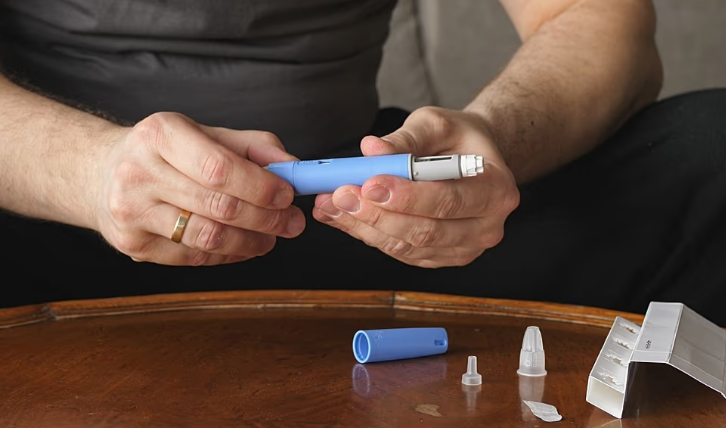
Weight-loss medications commonly prescribed for diabetes and obesity may also help patients recover after a heart attack by improving blood flow and reducing the risk of complications, according to new research.
A study led by scientists at Bristol Medical School found that GLP-1 receptor agonists can help prevent further damage to heart tissue following emergency treatment. The findings were published in the journal Nature Communications.
“In nearly half of all heart attack patients, tiny blood vessels within the heart muscle remain narrowed, even after the main artery is cleared during emergency medical treatment,” said lead author Svetlana Mastitskaya. This condition, known as “no-reflow,” prevents oxygen-rich blood from reaching parts of the heart, increasing the risk of long-term damage.
The research team conducted experiments in rodents and tested their results using cultivated human heart cells. They found that GLP-1 drugs improved blood flow by activating potassium channels and relaxing pericytes, the muscle cells that surround small blood vessels in the heart. When these cells relax, constricted vessels can widen, allowing blood to circulate more effectively.
GLP-1 receptor agonists mimic a hormone produced naturally in the body that helps regulate blood sugar and appetite. They are widely used to treat type 2 diabetes and to promote weight loss by helping patients feel full for longer periods.
Previous studies have shown that people taking GLP-1 medications have a lower risk of cardiovascular diseases, including heart attacks and strokes. In 2024, the US Food and Drug Administration approved the use of Wegovy, a semaglutide-based GLP-1 drug, to reduce the risk of stroke, heart attack and other cardiovascular conditions.
Clinical trials have indicated that the heart benefits of these medications appear to be independent of the amount of weight lost. Patients taking the drugs experienced fewer heart attacks and strokes regardless of whether they were mildly overweight or severely obese.
Researchers believe GLP-1 drugs may lower cardiovascular risk by reducing inflammation, improving blood pressure control, lowering cholesterol and other blood fats, and supporting the health of blood vessels.
Despite these promising findings, experts stress that medication alone is not enough. A recent study from Harvard University found that patients with type 2 diabetes who combined GLP-1 treatment with healthy lifestyle habits saw significantly greater heart health benefits. Those who followed eight key habits, including a balanced diet, regular exercise, adequate sleep and avoiding smoking, had a 60 percent lower risk compared with those who followed one or none.
Frank Hu, one of the study’s authors, said the results show that healthy living remains central to reducing cardiovascular risk, even with modern drug therapies.