
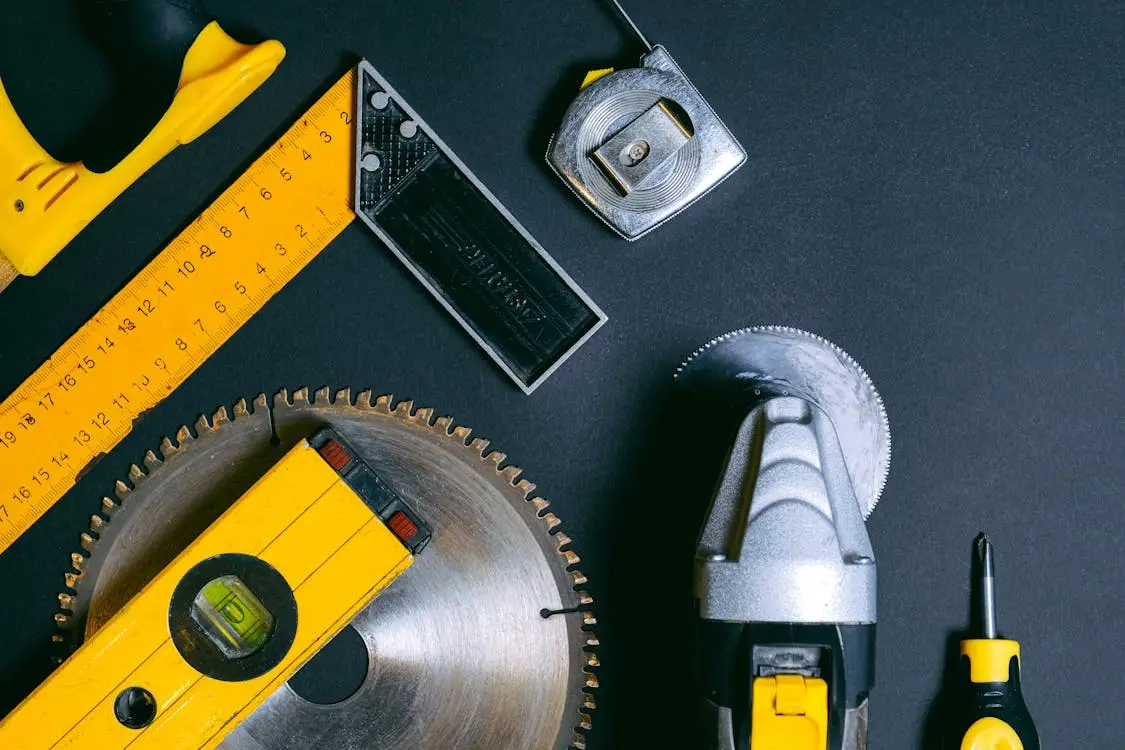
There’s something feels so satisfying as a blade cutting clean and smooth. No splinters, no struggle but just that crisp sound that says the job’s going right. That kind of precision doesn’t just happen by chance. It comes from the right tool and, more importantly, the right blade doing exactly what it was made to do.
The Real Deal in Every Toolbox
When people think of power tools, they picture the sparks, the noise, the big machines that look like they could build a spaceship. But the truth is, it’s the blade that does the heavy lifting. The tool gives the push and the blade brings the precision.
That’s where multi tool blades quietly prove their worth. They might not look like much, but they can tackle just about anything like trimming a door frame that’s just a bit too tight, cutting through plastic pipes under the sink, or sanding down an awkward corner no other tool can reach.
Picture a tradesperson on a busy day – woodwork in the morning, metal fittings after lunch, maybe fixing up a bit of flooring before calling it a day. No fuss, no swapping out a dozen tools. Just one steady hand and a reliable blade doing its job.
It’s that simple, smooth kind of efficiency that makes the workday easier and that’s something every pro (or even a weekend DIYer) can appreciate.
Why Precision Is More Than Just Sharpness
A great cut isn’t just about having a razor-sharp edge. It’s about control and that feeling when a blade moves exactly the way it’s guided, leaving behind clean, neat edges that make the job look effortless.
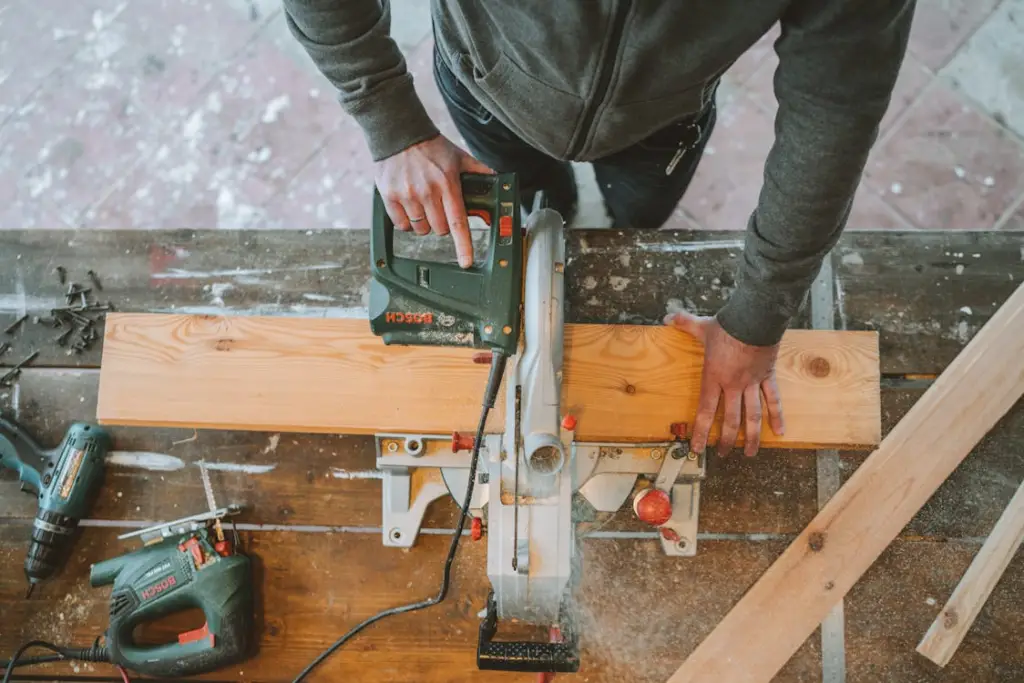
The genius of oscillating multi tool blades is in their movement. Instead of spinning wildly, they move side to side in quick, tight motions. That subtle difference means they can slip into corners, glide around tricky angles, and handle delicate cuts where other blades would just tear things apart.
Professionals know that the best blades don’t fight back – they flow. They stay cool, stay sharp, and stay reliable even after hours of use. A study in ScienceDirect backs that up – materials that resist heat and wear are the real heroes behind long-lasting precision.
Why Cheap Blades Cost More in the Long Run
Anyone who’s used a dull blade knows the frustration about uneven cuts, smoke rising from overheated metal, and that awful burning smell that says “this was a bad idea.” Cheap blades might save a few pounds at first, but they don’t stay sharp for long.
A quality blade, on the other hand, changes everything. It moves cleanly, works quietly, and stays sharp job after job. Suddenly, the workday feels lighter. The cuts are smoother. The results look professional.
And here’s the thing – it’s not just about efficiency. It’s about pride. There’s something deeply satisfying about finishing a job knowing every cut looks just right.
The Rennie Tool Difference
Behind every great tool is a team that understands what real workers need. Rennie Tool builds blades that are made to be used, not just admired on a shelf. Their multi tool blades are built from high-grade materials, tested for strength and precision, and crafted for those who care about getting the job done right the first time.
Whether it’s an engineer fine-tuning a piece of machinery or a DIY enthusiast restoring a vintage chair, Rennie Tool blades deliver the kind of consistency that makes all the difference.
A Cut Above
There’s something deeply satisfying about good craftsmanship – that moment when the blade moves just right, leaving a clean, smooth edge behind. It’s not loud or flashy, but there’s pride in that quiet precision.
That’s what makes a reliable multi tool blade so valuable. It’s not just another bit of gear tossed in a toolbox; it’s the one thing that helps turn hard work into something that actually feels uncomplicated. When the right blade’s in hand, jobs go smoother, cleaner, and faster – and that’s a feeling no shortcut can replace.
In the end, great results don’t just come from machines or power. They come from people who care enough to get it right, cut after cut.