

At least 51 people have been killed during a week of violent anti-corruption protests in Nepal, police said Friday, as the country reels from unrest that forced the resignation of Prime Minister KP Sharma Oli and triggered a military takeover of the streets.
Police spokesman Binod Ghimire confirmed the updated toll, saying the dead included at least 21 protesters and three police officers. Many of the fatalities occurred on Monday during a security crackdown on demonstrators angered by corruption, poor governance, and a government ban on social media.
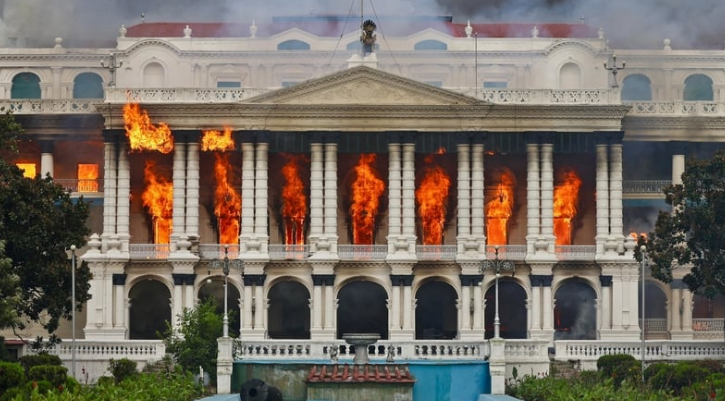
The scale of the unrest has shocked the Himalayan nation. On Tuesday, furious crowds stormed parliament and set the building ablaze. By evening, Oli had stepped down, and the army imposed a nationwide curfew while taking control of security operations.
The violence has also unleashed chaos in Nepal’s prisons. According to Ghimire, around 13,500 inmates escaped from multiple jails across the country during the turmoil. While some fugitives have been recaptured, more than 12,500 remain at large. Several prisoners were killed during clashes with security forces after breaking free.
The army said it has recovered more than 100 firearms looted during the uprising, with protesters seen carrying automatic rifles in the streets earlier in the week. Security forces have tightened patrols along Nepal’s open border with India, where scores of escaped prisoners have been detained by Indian border guards.
Talks are ongoing between President Ram Chandra Paudel, protest leaders, the military, and key political figures over the creation of an interim administration. The political vacuum has raised fears of further instability in a country that has endured years of turbulence since the abolition of its monarchy in 2008.
International observers expressed alarm at the scale of the bloodshed and the collapse of government authority. Human rights groups have called for restraint from security forces and accountability for the deaths of protesters.
The protests erupted last week after the government introduced a sweeping ban on social media platforms, a move critics denounced as an attempt to silence dissent amid growing anger over graft scandals. The demonstrations quickly snowballed into a broader revolt against corruption and mismanagement.
With thousands of fugitives still at large, a fragile political settlement yet to be reached, and the military now in charge of public order, Nepal faces a precarious path ahead.