
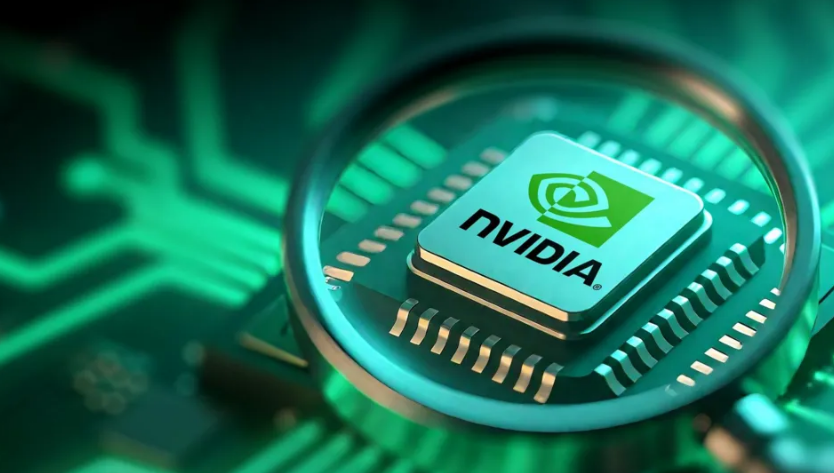
China’s market regulator has accused American chipmaker Nvidia of violating the country’s anti-monopoly laws, escalating tensions between Beijing and Washington at a time when trade officials from both nations are holding sensitive talks in Spain.
The State Administration for Market Regulation confirmed the breach on Monday but offered no details on how the company had allegedly broken the rules. The watchdog said it would continue its investigation, which was first launched in December 2024. Analysts view the probe as part of a broader struggle between the US and China over dominance in the semiconductor industry.
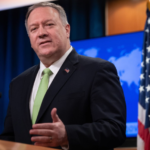
The announcement coincided with a second day of high-level negotiations in Madrid between US Treasury Secretary Scott Bessent and Chinese Vice Premier He Lifeng. The discussions are the latest attempt to cool a trade war between the world’s two largest economies and follow an agreement in July to extend a tariffs truce by 90 days, until 10 November. That deal temporarily reduced import taxes that had soared above 100% on some goods.
Semiconductors are expected to be a central issue in the talks. Washington has tightened restrictions on exports of advanced chips and chipmaking equipment to Chinese companies, citing national security concerns. Beijing has responded with regulatory probes and new controls of its own. Nvidia, which dominates the global market for graphics processing units (GPUs) used in artificial intelligence, has been particularly affected by US measures limiting what products it can sell to China.
The Madrid negotiations also come as a deadline approaches for TikTok’s Chinese parent company ByteDance to divest the popular video app or face a ban in the US. The deadline, due to expire Wednesday, is widely expected to be extended for a fourth time.
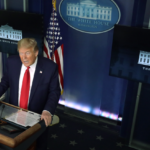
President Donald Trump, who during his first term pushed for TikTok’s removal from US app stores, has since softened his stance after gaining significant traction on the platform during his 2024 election campaign. On Sunday, Trump told reporters: “We may let [TikTok] die. Or we may… I don’t know. It depends. Up to China, it doesn’t matter too much.” In August, the White House even launched its own official TikTok account, underscoring the app’s political relevance.
Officials say the Madrid talks could help pave the way for a meeting between Trump and Chinese President Xi Jinping as early as October, when both leaders are due to attend a summit in South Korea. Such a meeting would be closely watched for signs of progress on long-running disputes over trade, technology and national security.
With Nvidia under regulatory scrutiny in China and TikTok still in political limbo in the US, the stakes for the Madrid talks are high. Both governments have signalled interest in keeping dialogue open, but the gulf between their economic and security priorities remains wide.