


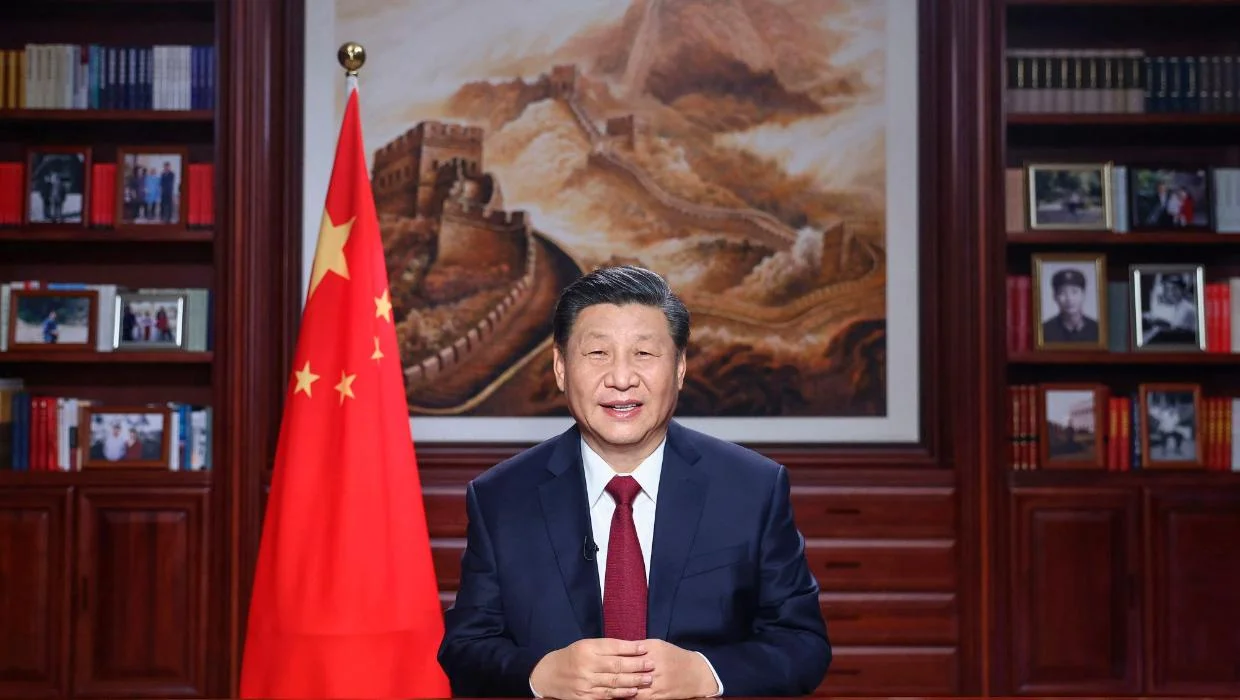
The K Visa is a new visa category introduced by China to attract young foreign professionals in science, technology, engineering, and mathematics (STEM) fields. It aims to facilitate entry for global talent to participate in China’s innovation ecosystem, supporting activities such as education, research, cultural exchange, entrepreneurship, and business ventures.
Launch Date
The K Visa is set to launch on October 1, 2025, as part of China’s revised entry-exit regulations.
Eligibility Criteria
The K Visa is designed for young STEM professionals who meet specific criteria. The following requirements have been outlined:
-
Fields of Expertise: Applicants must be engaged in science, technology, engineering, or mathematics (STEM). This includes fields like computer science, biology, physics, engineering, and related research or educational roles.
-
Educational Background:
-
Graduates with at least a bachelor’s degree from recognized or prestigious domestic (Chinese) or overseas universities or research institutions.
-
Individuals involved in education or research at such institutions.
-
-
Age: The K Visa targets younger professionals, likely under 45.
-
No Employer/Invitation Required: The K Visa does not require a domestic employer or an invitation from a Chinese entity, making it accessible for independent researchers, recent graduates, or entrepreneurs.
Key Features of the K Visa
-
Flexibility: Offers more generous terms compared to China’s existing 12 ordinary visa categories, including:
-
Greater number of permitted entries.
-
Longer validity period.
-
Extended duration of stay.
-
-
Permitted Activities: Holders can engage in:
-
Education and cultural exchanges.
-
Science and technology research.
-
Entrepreneurial and business activities.
-
-
Streamlined Application: The process is designed to be simpler, with fewer bureaucratic requirements compared to traditional work or research visas.
Application Process
Detailed application procedures are yet to be fully released, but the following is known:
-
Where to Apply: Applications will likely be submitted through Chinese embassies or consulates abroad.
-
Online Application: The process may involve an online visa application system, where applicants fill out forms online, print them, and submit physical documents to the relevant embassy or consulate.
-
Required Documents:
-
A valid passport with at least six months of validity and two blank pages.
-
Proof of eligibility, such as:
-
Academic credentials (e.g., degree certificates from recognized institutions).
-
Documentation of work experience or research in STEM fields.
-
Additional documents as specified by Chinese authorities.
-
-
Applicants may need to provide evidence of their STEM qualifications or affiliations with recognized institutions.
-
-
Submission: Physical documents must be submitted in person or via an agent to the appropriate Chinese embassy or consulate, depending on the applicant’s country of residence.
-
Processing Time: The process is expected to be streamlined. Standard visa processing typically takes about four working days, with expedited options available for an additional fee.
Additional Notes
-
Official Guidelines: Detailed eligibility criteria and application procedures will be published on Chinese embassy and consulate websites before the October 1, 2025, launch.
-
Strategic Context: The K Visa is part of China’s push to attract global talent to support its technological innovation and self-reliance goals.
-
Visa Management: The Chinese Ministry of Foreign Affairs, Ministry of Public Security, and National Immigration Administration will manage K Visa issuance, extensions, renewals, and replacements.
-
Planning Tips: Applicants are advised to research opportunities in major innovation hubs like Beijing, Shanghai, and Shenzhen, and to leverage networking opportunities at conferences and workshops in China.
Recommendations
-
Stay Updated: Check official Chinese government websites for the latest guidelines as the launch date approaches.
-
Prepare Early: Gather academic and professional documents now, as they may require translation into Chinese or certification.
-
Consult Embassies: Contact the Chinese embassy or consulate in your country for jurisdiction-specific requirements.