

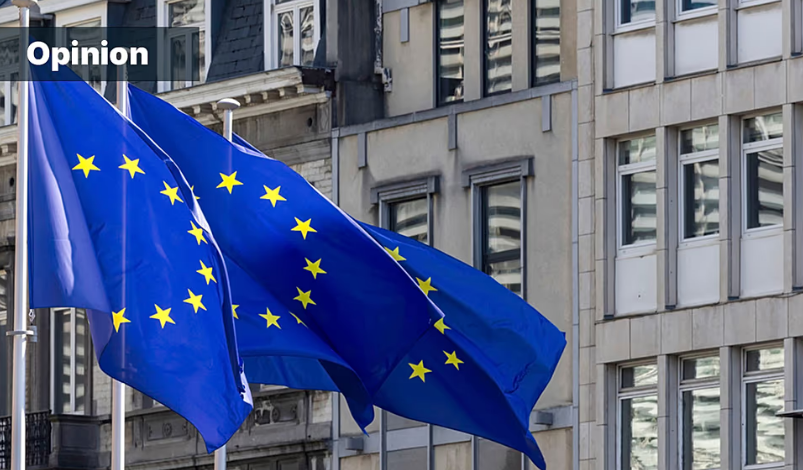
As Europe begins 2026, analysts and policymakers are urging the continent to abandon outdated assumptions and adopt a more realistic approach to global politics, economics, and technology. In an opinion piece for Euronews, Dr Alexander Wolf, head of Germany’s Hanns-Seidel-Foundation capital office, argued that the time for naivety in Europe is over and highlighted three key illusions the continent must leave behind.
“Good intentions are no longer enough,” Wolf wrote. “The events of 2025 have made it clear that the old world order is gone. Europe must adopt a survival strategy based on sober analysis and decisive action.”
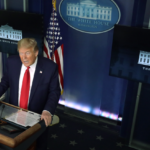
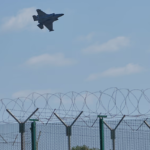
The first illusion, Wolf said, is that the United States will automatically return to a predictable partner. “The idea that transatlantic relations will simply snap back to the 1990s norm is both dangerous and paralysing,” he noted. European capital markets already reflect a structural loss of confidence in the dollar, with gold rising roughly 60% in 2025 and investors seeking safer assets. Wolf argued that Europe must pursue financial and security independence, strengthening the euro area’s capital markets and building a credible European pillar within NATO.
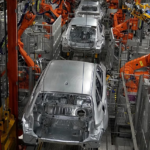
The second illusion concerns China. For decades, European policymakers have embraced the principle of “change through trade,” assuming that economic integration would produce political convergence. Wolf said this belief has been decisively disproven. China’s rapid technological advancement and growing global influence make the relationship a strategic struggle rather than a normal market contest. He called for Europe to embrace industrial policies supporting electric mobility, robotics, and artificial intelligence, framing them as self-defence rather than market interference.
The third illusion relates to artificial intelligence. Public discourse has focused on fears that AI will eliminate jobs, yet Wolf emphasized that Europe’s more pressing challenge is a shrinking labour force. “AI is not a job killer; it is a killer of mediocrity,” he wrote. Workers who combine specialist skills with technology will thrive, while generic roles are increasingly vulnerable. Education and training systems must shift toward cultivating expertise in crafts, strategy, care, and research to ensure long-term competitiveness.
Wolf concluded that Europe’s guiding principle for 2026 should be strategic autonomy. Neither Washington nor Beijing can be relied upon to protect European interests, he argued. Instead, the continent must leverage its internal market, intellectual resources, financial capacity, and historical resilience to strengthen its geopolitical position.
“Instead of resolving to exercise more, Europe should resolve to embrace reality,” Wolf wrote. “Those who enter the year with clear strategy and without illusions will not only weather the storm but learn to navigate it. Those who wait for the old world to return will capsize.”
The analysis underscores growing calls among European experts for realistic policy planning, investment in domestic capabilities, and a long-term approach to security and economic independence as 2026 begins.