

India and the United States held a day of trade talks in New Delhi on Tuesday, raising cautious optimism that stalled negotiations on a long-awaited bilateral trade agreement could soon resume.
A delegation led by US trade negotiator Brendan Lynch met senior officials from India’s commerce ministry for what both sides described as exploratory discussions rather than a formal round of negotiations. Rajesh Agrawal, who is leading the talks on India’s behalf, said the meeting was focused on “trying to see how we can reach an agreement,” while stressing that no official negotiations had restarted.
The talks come after months of strain in the relationship. Negotiations were abruptly halted last month following US President Donald Trump’s decision to impose a sweeping 50% tariff on Indian goods. The duties were introduced partly as punishment for India’s continued purchases of Russian oil and weapons, a move Washington has repeatedly criticised. New Delhi has defended its decision, citing energy security and national interest, while branding the tariffs “unfair.”
The trade penalties have already hit Indian exporters hard, particularly in sectors such as textiles, shrimp, and gems and jewellery, where producers have warned of mounting losses and job cuts. With millions of livelihoods tied to exports, Tuesday’s meeting was closely watched in both capitals.
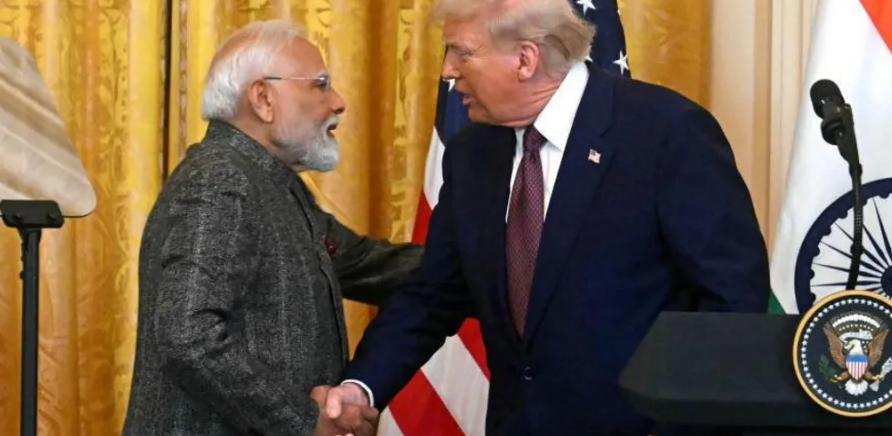
In recent days, however, signals of a thaw have emerged. Trump’s trade adviser Peter Navarro, one of Washington’s most outspoken critics of India, acknowledged that New Delhi was “coming to the table,” adding in a CNBC interview: “We will see how this works.” His remarks followed a public exchange of messages between Trump and Indian Prime Minister Narendra Modi, in which both leaders struck a conciliatory tone and expressed optimism about progress.
Sergio Gor, nominated as the next US ambassador to India, reinforced the upbeat mood, telling lawmakers at his confirmation hearing that the deal “will get resolved in the next weeks” and that negotiators were already working on the “nitty-gritty.”
Yet major hurdles remain. Agriculture and dairy access continue to be sticking points, with Washington long pressing for greater entry into India’s farm sector. US Commerce Secretary Howard Lutnick recently renewed his criticism, questioning why India would not “buy one bushel of US corn” despite its population of 1.4 billion. New Delhi, however, insists that protecting its farm sector is vital for food security and the livelihoods of millions of smallholder farmers.
While no breakthroughs were announced on Tuesday, the fact that dialogue has resumed is being viewed as a positive step toward bridging divides. For both governments, the outcome of these talks could determine whether two of the world’s largest economies can rebuild momentum toward a trade deal that has eluded them for years.