


Tensions in the Middle East escalated further this week as Iran ruled out any discussion over its nuclear programme while under sustained attack from Israel. The development comes as European diplomats push for renewed negotiations and the United States considers deeper involvement in the conflict.
A week into its offensive, Israel confirmed it had carried out a fresh wave of airstrikes overnight, targeting dozens of military facilities in Iran, including missile production sites and a research organisation linked to nuclear weapons development in Tehran. In response, Iran launched missile barrages, striking areas near residential buildings, offices, and industrial zones in the southern Israeli city of Beersheba.
The hostilities have already spilled over into civilian areas, with both sides accusing each other of targeting non-military sites, including hospitals. An Iranian news outlet reported that a drone had struck a residential apartment block in Tehran, though further details were not provided.
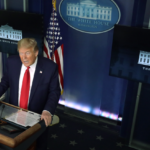
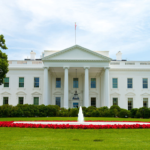
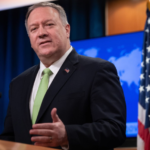
Amid growing international concern, the White House said President Donald Trump is expected to decide within the next two weeks whether the US will directly intervene. While Washington had hoped to bring Iran back to the negotiating table over its nuclear ambitions, Iranian Foreign Minister Abbas Araqchi made it clear that talks would not resume under fire. “There is no room for negotiations with the United States until Israeli aggression stops,” he stated.
The conflict erupted on 12 June when Israel launched “Operation Rising Lion,” aimed at dismantling Iran’s nuclear and ballistic capabilities. The operation has since derailed renewed US-Iran talks that had been in early stages. Trump’s regional envoy, Steve Witkoff, is said to have spoken with Araqchi several times since the attacks began.
Iran’s nuclear facilities, including the Bushehr power station, have remained intact, though experts warn that any strike on Bushehr could pose serious environmental risks. Israel maintains that it seeks to eliminate Iran’s nuclear weapons potential without causing a nuclear disaster, particularly in a region critical to global oil supplies.
In Geneva, where a new round of nuclear talks was scheduled to begin—echoing the 2013 and 2015 agreements that once curbed Iran’s programme—diplomatic momentum has faltered. The US unilaterally exited the 2015 deal in 2018 under Trump, straining relations with Tehran ever since.
Meanwhile, large anti-Israel protests erupted in Tehran following Friday prayers, with thousands rallying in support of the Iranian leadership. Demonstrators waved Iranian and Hezbollah flags and carried photos of military commanders killed since the fighting began.
Israeli Foreign Minister Israel Katz has signalled possible action against Hezbollah after the Lebanese group suggested it may intervene on Iran’s behalf. Prime Minister Benjamin Netanyahu also indicated broader goals, hinting that regime change in Tehran could be an outcome, though he said, “it’s up to the Iranian people to rise for their freedom.”
Inside Iran, opposition groups remain cautious. While some believe the regime is vulnerable, prominent activists say widespread protests are unlikely amid ongoing military strikes. “In such horrifying circumstances, people are solely focused on saving themselves, their families, their compatriots, and even their pets,” said Atena Daemi, a former political prisoner now in exile.
With the region already strained by the ongoing Gaza conflict and multiple flashpoints, the possibility of a wider war looms large as world powers scramble to prevent further escalation.