


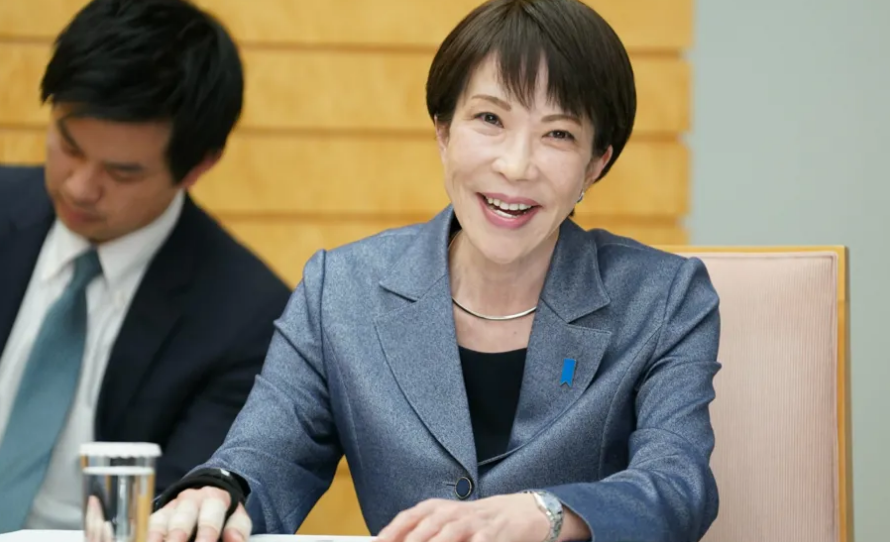
Japan’s ruling Liberal Democratic Party (LDP), led by Prime Minister Sanae Takaichi, is expected to secure a decisive win in Sunday’s snap election, exit polls suggest. The vote is the country’s first mid-winter national election in 36 years, with voters braving snow and transport disruptions to cast their ballots.
Takaichi, Japan’s first female prime minister, is seeking a clear public mandate just four months after becoming LDP leader. Her predicted success stands in contrast to her two predecessors, under whom the party lost its parliamentary majority amid corruption scandals and rising costs.
The LDP has dominated Japanese politics for much of the post-war period, often leading coalition governments due to weak opposition. After losing its majority in both houses in 2024, the LDP saw its decades-old coalition with the Komeito party collapse. This election has been widely viewed as a high-stakes gamble, with Takaichi pledging to step down if the party fails to win a majority.
Early exit polls indicate that the LDP, together with its coalition partner, the Japan Innovation Party, could secure up to 366 of the 465 seats in the House of Representatives, according to broadcaster NHK. Approval ratings for Takaichi’s government have largely remained above 70%, buoyed by her personal popularity and active social media engagement. Videos of her daily life, including one showing her playing the drums with South Korean President Lee Jae Myung, have gone viral and attracted young voters.
“I think this election is more important for the younger generation, people like us,” said Daniel Hayama, a voter in Tokyo, adding that cold weather did not deter young people from heading to the polls. Ritsuko Ninomiya, another voter, highlighted economic concerns: “People want their lives to be better and more comfortable because we are so accustomed to not having inflation [costs rising]… so people are very worried. I think we need a long-term solution rather than short-term fixes.”
Takaichi has pursued nationalist and populist policies, pledging increased government spending, tax cuts, and stricter immigration controls. She has also called for reviewing foreign ownership of Japanese land and cracking down on unpaid taxes and health insurance contributions by foreign nationals. Critics argue her stance creates anxiety and division in a country where foreign nationals make up only 3 percent of the population.
Her foreign policy positions, particularly on China and defense, have also drawn attention. Last November, she suggested Japan could intervene militarily if China invaded Taiwan. Takaichi has cultivated close ties with former US President Donald Trump, who publicly endorsed her, aligning on higher defense spending. “I am concerned with what President Trump is doing as well as the national defence issues. I am not sure where the money is coming from to cover that. So balancing budget spending between defence and people’s life is a major concern for me,” voter Yuko Sakai said.
Despite a more unified opposition, Takaichi’s combination of populist spending promises, nationalist rhetoric, and social media engagement appears to have energized voters, setting the stage for a decisive victory.