

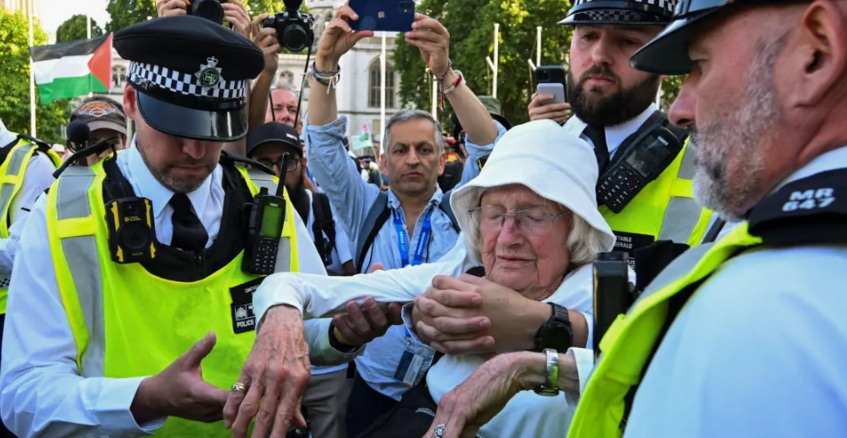
The Liberal Democrats have called for an urgent review of terrorism legislation after more than 500 supporters of the banned group Palestine Action were arrested at a London demonstration, warning that the measures could have a “chilling effect” on free speech and peaceful protest.
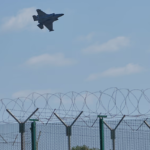
The Metropolitan Police confirmed the arrests, made during a central London rally last week, marked the largest number of detentions in a single day in a decade. Palestine Action was proscribed in July after claiming responsibility for spraying military aircraft at RAF Brize Norton with red paint. The ban made membership or support for the group a criminal offence, punishable by up to 14 years in prison.
Home Secretary Yvette Cooper defended the decision to outlaw the organisation, stating it was “not a non-violent organisation” and had been involved in “violent attacks” and “major criminal damage against national security infrastructure.” She said the decision was based on “clear security assessments,” adding that some critics might be unaware of the full extent of the group’s activities due to ongoing prosecutions and court reporting restrictions.
Palestine Action, which campaigns against UK arms exports to Israel, has been granted permission to challenge the ban in the High Court in November. At last week’s rally in their support, demonstrators carried banners declaring, “I oppose genocide. I support Palestine Action.”
Lisa Smart, the Liberal Democrats’ home affairs spokesperson, acknowledged the seriousness of the group’s actions but questioned the use of terrorism powers against protesters. Writing to the independent reviewer of terrorism legislation, Jonathan Hall KC, she argued that violence, hate speech, or antisemitic abuse could already be prosecuted under existing laws, such as the Public Order Act.
“Using the Terrorism Act to arrest individuals exercising their right to peaceful protest sets a troubling precedent and risks having a chilling effect on both free speech and legitimate democratic dissent,” Smart said, urging Hall to examine the provisions used in the arrests and consider legislative changes to prevent future misuse.
The Equality and Human Rights Commission (EHRC) also weighed in, with its chair, Baroness Kishwer Falkner, writing to Cooper and Met Police Commissioner Sir Mark Rowley. While stressing its concerns were not about protests linked to proscribed groups, the EHRC warned that “heavy-handed policing or blanket approaches” could deter citizens from exercising their rights to expression and assembly.
The government maintains that the ban on Palestine Action is justified, pointing to its involvement in disruptive and damaging actions. However, with a legal challenge looming and political pressure mounting, the debate over how far counter-terrorism powers should extend into public protest looks set to intensify in the coming months.