

A record-breaking marine heatwave in the western Mediterranean Sea has raised alarm among scientists, who warn the unusually high sea temperatures could have devastating effects on marine ecosystems.
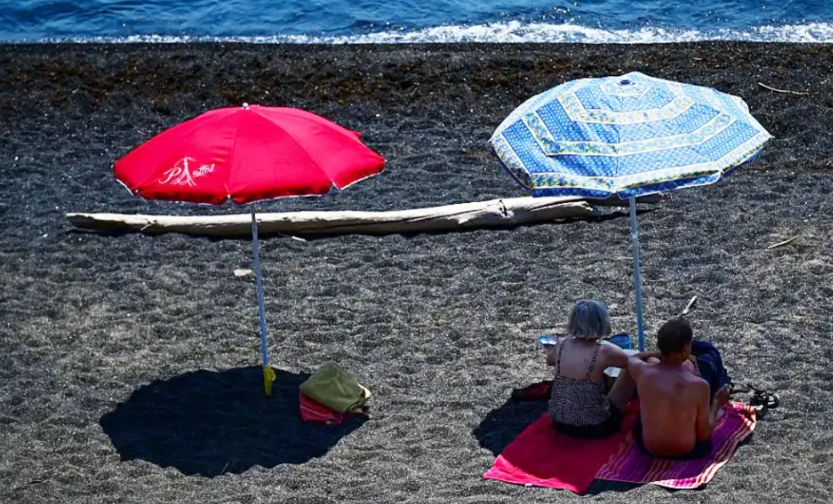
In late June and early July, sea surface temperatures regularly soared past 30°C off the coast of Majorca and other areas — up to 6-7°C above seasonal averages. Experts say it marks the most extreme marine heatwave ever recorded in the region for this time of year.
“These are temperatures normally seen in late August — not in June,” said Marta Marcos, associate professor at the University of the Balearic Islands. “We can expect the summer to be more intense and longer, and that poses serious risks for marine life.”
The Mediterranean’s unique geography — mostly enclosed by land — makes it particularly vulnerable to heatwaves. With warm air, sunshine, and light winds dominating in June, surface waters rapidly heated, and with limited mixing from deeper, cooler layers, the heat accumulated.
Aida Alvera-Azcárate, an oceanographer at the University of Liège, called the heatwave “a matter of high concern,” adding that such events are becoming more frequent and severe due to global climate change. “We are seeing the clear consequences of transferring heat from the atmosphere into the ocean,” she said.
Marine heatwaves, intensified by greenhouse gas emissions from burning fossil fuels, have tripled in duration globally over the past 80 years. The Mediterranean — sometimes referred to as a climate change “hotspot” — is expected to experience even more intense ocean warming in the years ahead.
While the worst of this heatwave has passed, with stronger winds in early July helping to mix cooler waters with the surface, temperatures remain elevated — and the long-term ecological damage is still unfolding.
Prolonged exposure to high sea temperatures can stress marine species, pushing them beyond their thermal limits. “Sea creatures can suffer chronic heat stress, which saps their energy and can eventually lead to mass mortality,” said Dr Emma Cebrian, an ecologist at the Centre for Advanced Studies of Blanes in Spain.
She recalled diving in the Mediterranean in 2020 and finding “skeletons of many populations” of marine organisms after a summer heatwave.
Vital habitats such as seaweeds and seagrasses — which function like underwater forests — are especially vulnerable. These ecosystems provide shelter for hundreds of marine species and help absorb carbon dioxide, but many are unable to withstand such extreme and prolonged warming.
Scientists are warning that continued warming could jeopardise biodiversity, fish stocks, and the broader ecological balance of the Mediterranean Sea.
“This may be the most intense heatwave we’ve seen so far — but it won’t be the last,” said Dr Marcos.