

A twin-engine passenger plane carrying 49 people has crashed in Russia’s Far Eastern region of Amur, with no signs of survivors reported, according to regional authorities.
The aircraft, an Antonov An-24 operated by Angara Airlines, vanished from radar around 1:00pm local time while en route from Blagoveshchensk to the remote town of Tynda. The plane went down while attempting a second landing approach, officials confirmed.
Regional governor Vassily Orlov stated that the aircraft disappeared as it neared its destination and that aerial search teams later located the burning wreckage on a wooded hillside approximately 16 kilometres from Tynda.
“The helicopter crew reported no signs of survivors from above,” local rescue services said, noting the rugged terrain was hampering ground access.
Rescue teams have been deployed to the crash site, with 25 personnel and five vehicles already dispatched. Four additional aircraft are on standby to assist with ongoing search and recovery efforts, the Amur region’s civil defence agency said.
Russia’s Far Eastern Transport Prosecutor’s Office confirmed the plane had been attempting a second approach to land when contact was lost. “The circumstances are being investigated,” the office said in a statement.
The aircraft involved was reportedly close to 50 years old. Citing aviation sources, state news agency TASS reported that the An-24 had its airworthiness certificate renewed in 2021, allowing it to fly until 2036. This information has not been independently verified.
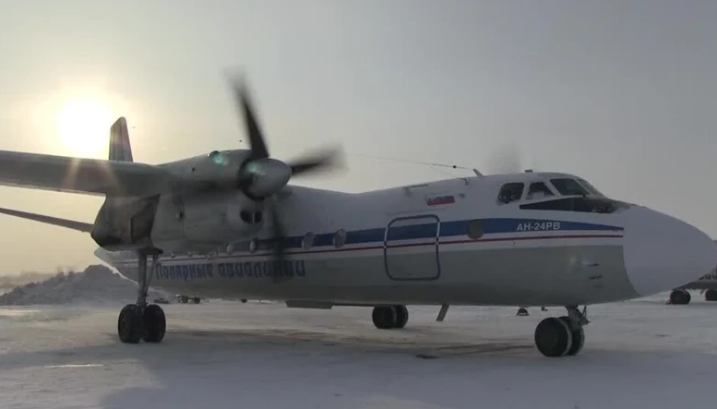
Originally designed in the Soviet era, the Antonov An-24 is a twin-propeller passenger plane that first entered service in 1959 and was widely used throughout the former USSR. Despite Russia’s ongoing efforts to modernise its domestic aviation fleet, older aircraft like the An-24 remain in use in remote regions due to their durability and ability to operate in challenging environments.
Angara Airlines, a regional carrier based in Irkutsk, has not issued a public statement since the incident. It operates primarily within Siberia and Russia’s Far East.
Air crashes involving older aircraft continue to be a concern in Russia’s vast and difficult-to-reach territories, where modern aviation infrastructure is limited. Investigators are now working to determine what led to the latest tragedy, which has once again drawn attention to aviation safety in the region.